How to Thaw Frozen Mince Safely Before Shaping Burgers
Choose refrigerator, controlled cold-water or microwave thawing appropriately. Do not use a kitchen counter or hot water to soften mince for the press.
Practical guides to patty presses, marinade injectors, basting brushes and safer barbecue preparation.
Choose refrigerator, controlled cold-water or microwave thawing appropriately. Do not use a kitchen counter or hot water to soften mince for the press.
A sauce’s sugar content, the food and the heat determine its application stage. Do not use a dark glaze as proof that chicken or burgers are cooked.
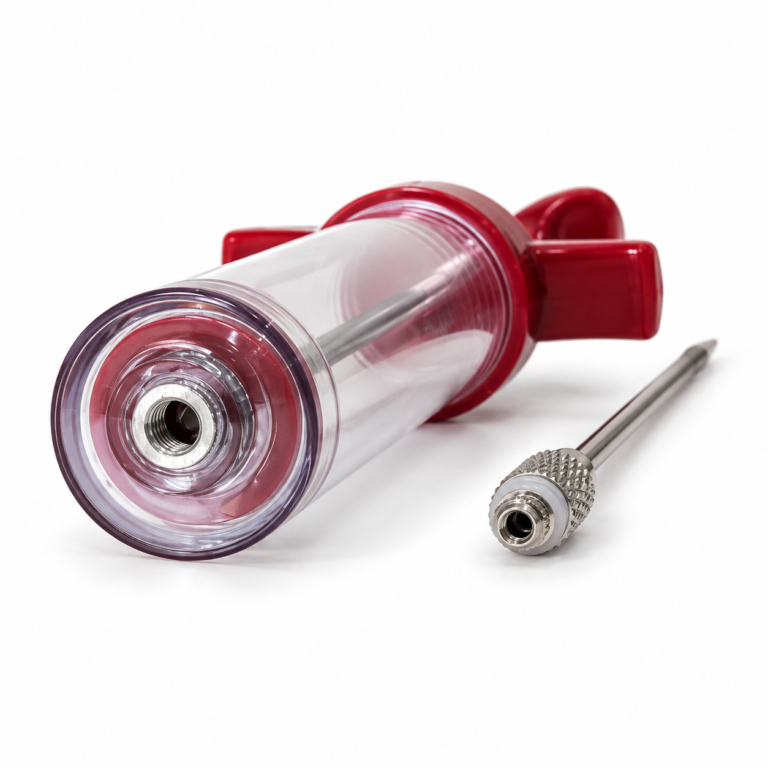
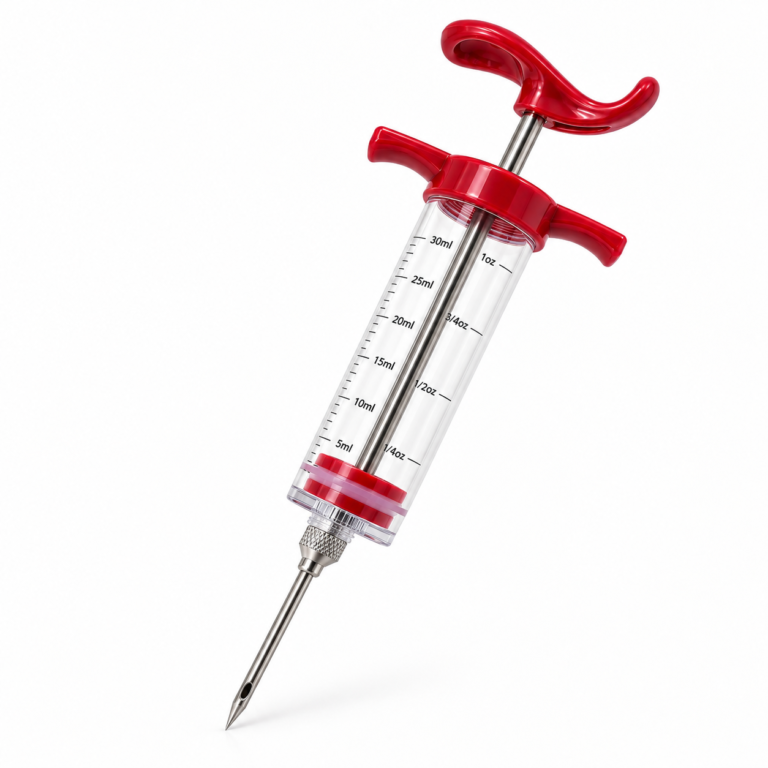
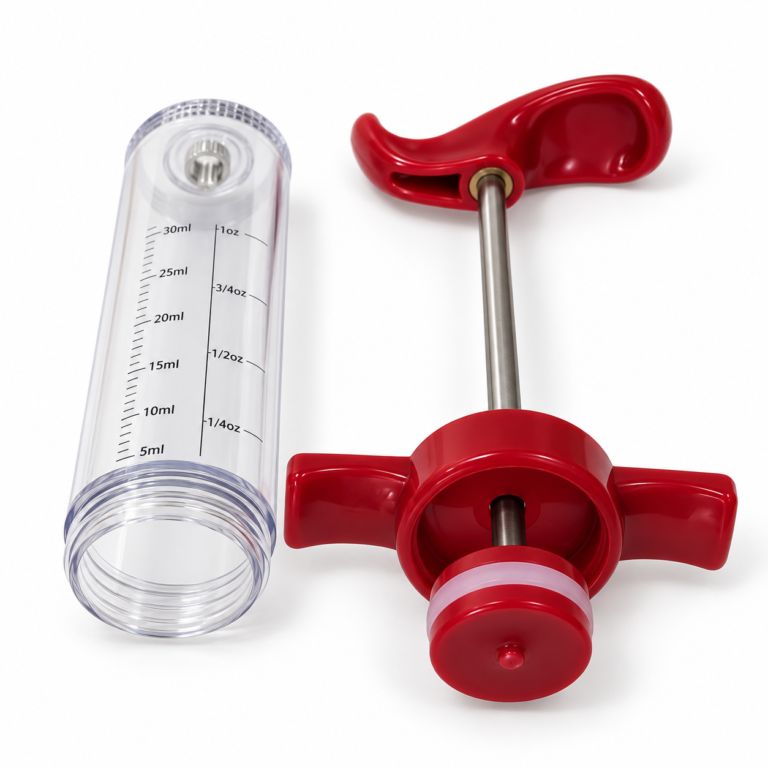
A narrow injector needle needs an appropriate smooth liquid. Keep seeds, herb pieces and thick mixtures out unless the tool’s instructions specifically allow them.
Build a manageable small-BBQ plan with a portion worksheet, separate raw and cooked areas, and realistic jobs for each preparation tool.
Probe placement matters. Check the centre of thin patties and thick areas of poultry with an appropriate thermometer instead of relying on colour or grill marks.
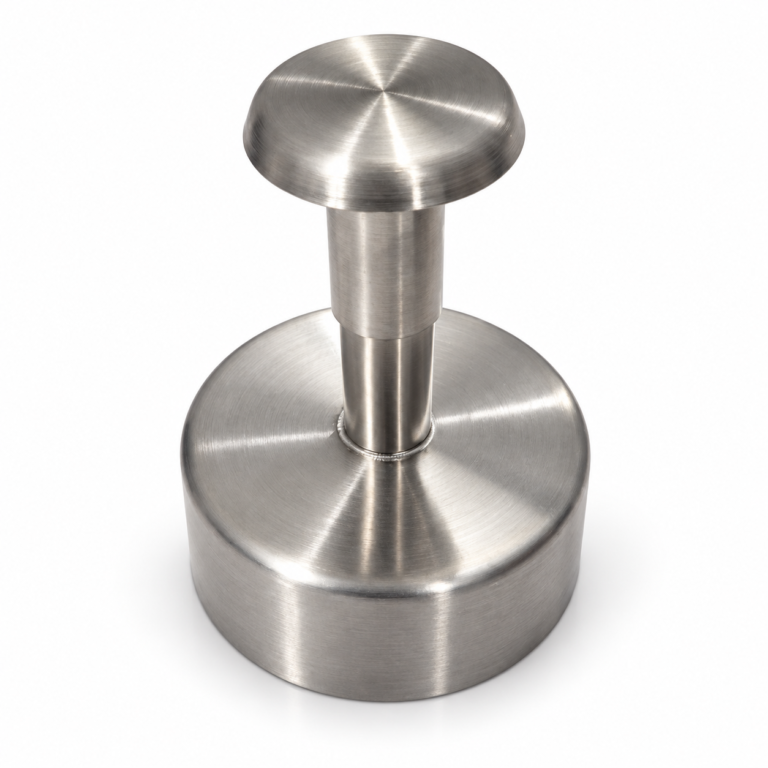
Work out whether a burger breaks during shaping, transfer or cooking before changing the recipe. More pressing is not the answer to every fragile patty.
Burger shrinkage depends on the mixture and cooking conditions. Compare raw and cooked size with one safe trial rather than assuming a press guarantees bun-sized results.
Shami mixtures and raw burger mixtures start differently. Keep cooking, binding, shaping and final doneness separate when deciding whether to use a mould.
Plan potato-tikki portions, thickness and transfer with a complete recipe. A mould cannot repair every wet or crumbly mixture.
Set up separate raw-prep, cooking and clean-serving areas so brushes, tongs and trays do not carry raw-meat juices onto finished food.