
Aloo Tikki Shaping: Choose a Consistent Thickness Before Adding More Binder
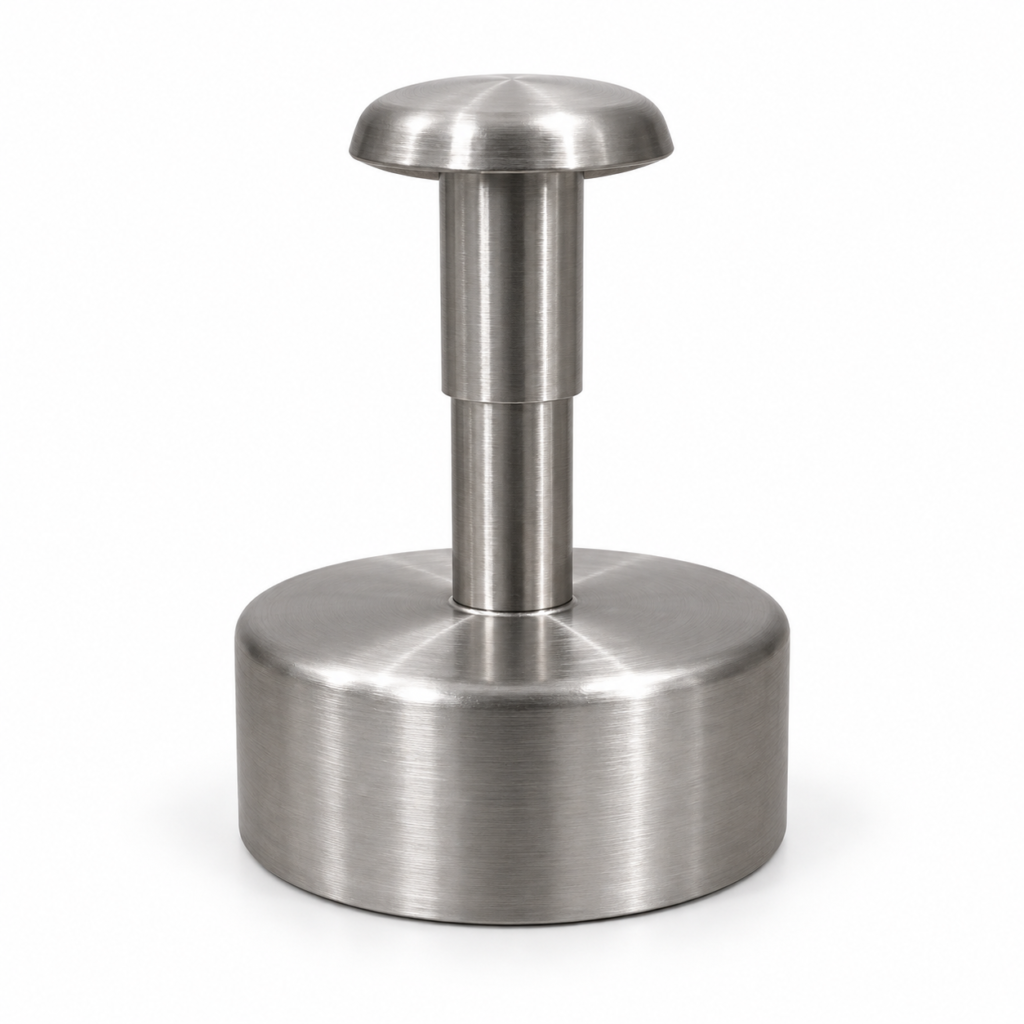
For aloo tikki, consistent thickness is often more useful than a perfectly circular edge. A very thick centre and thin rim can make the batch harder to cook consistently. Start with a suitable mixture and a repeatable portion, then choose whether hand-shaping or a permitted moulding method makes the work easier.
Use one complete mixture recipe
Food Fusion’s Crispy Aloo Tikki recipe uses prepared potatoes, seasonings and a specified binder before forming portions. Other tikki recipes may use different ingredients. Follow the recipe you choose instead of treating every flour or coating as interchangeable.
This article concerns the shaping workflow, not a replacement recipe. It does not claim that HandyDost has tested the source recipe in its patty press.
Prepare the receiving surface first
Set out a clean tray or plate before your hands are covered in mixture. Leave enough room between portions to lift them without pushing neighbouring pieces together. Prepare any recipe-approved coating or liner separately rather than adding it halfway through shaping because the first portion stuck.
If the mixture needs a particular resting or cooling stage, complete that stage as directed. Do not leave a perishable mixture out for an indefinite period simply to make it feel firmer.
Choose a portioning reference
A scale gives a repeatable starting mass, while a consistent scoop can be a convenient household reference. The important point is to use the same approach across the batch. Do not make the first few portions generous and then flatten the remaining mixture into much smaller pieces.
For example, dividing 600 g of prepared mixture into twelve equal portions gives 50 g each. This is only arithmetic to illustrate planning; it is not a tested yield, serving recommendation or confirmed capacity of a particular mould.
Hand-shaping or mould?
| Approach | Useful feature | Check before continuing |
|---|---|---|
| Hand-shaping | Flexible diameter and thickness | Keep the centre and rim reasonably consistent |
| A suitable moulding tool | A repeated outer shape | Whether this mixture releases without excessive pressure |
| Recipe-specific stuffed shape | Contains a filling as intended | Use the recipe’s own forming method rather than a generic press |
The HandyDost patty press is listed for burger preparation, not every potato recipe. Consider it only where its instructions and the mixture are suitable, and test a single portion first. It is not a hot-pan pressing tool.
Identify the problem before changing the mixture
If a portion breaks during transfer, support it with a suitable utensil and shorten the transfer distance. If it sticks in a mould, review release and loading. If it cannot hold shape even before transfer, return to the recipe’s preparation and ingredient balance rather than pressing harder.
Adding more binder may change the food you intended to make. Make a deliberate recipe-based adjustment, note it and evaluate a small cooked sample instead of altering the whole bowl repeatedly.
Finish the required cooking
Previously cooked potatoes do not make every later addition ready to eat. Follow the source recipe’s final cooking instructions and handle any egg-containing coating appropriately. Keep clean serving utensils separate from preparation equipment.
Compare shami and burger mixtures, portioning methods and a practical yogurt accompaniment. More guides are at HandyDost’s blog.
AI-assisted planning guide; example weights are not independently tested recipe portions.