
Raw and Cooked Meat Utensils: A Three-Zone BBQ Workflow
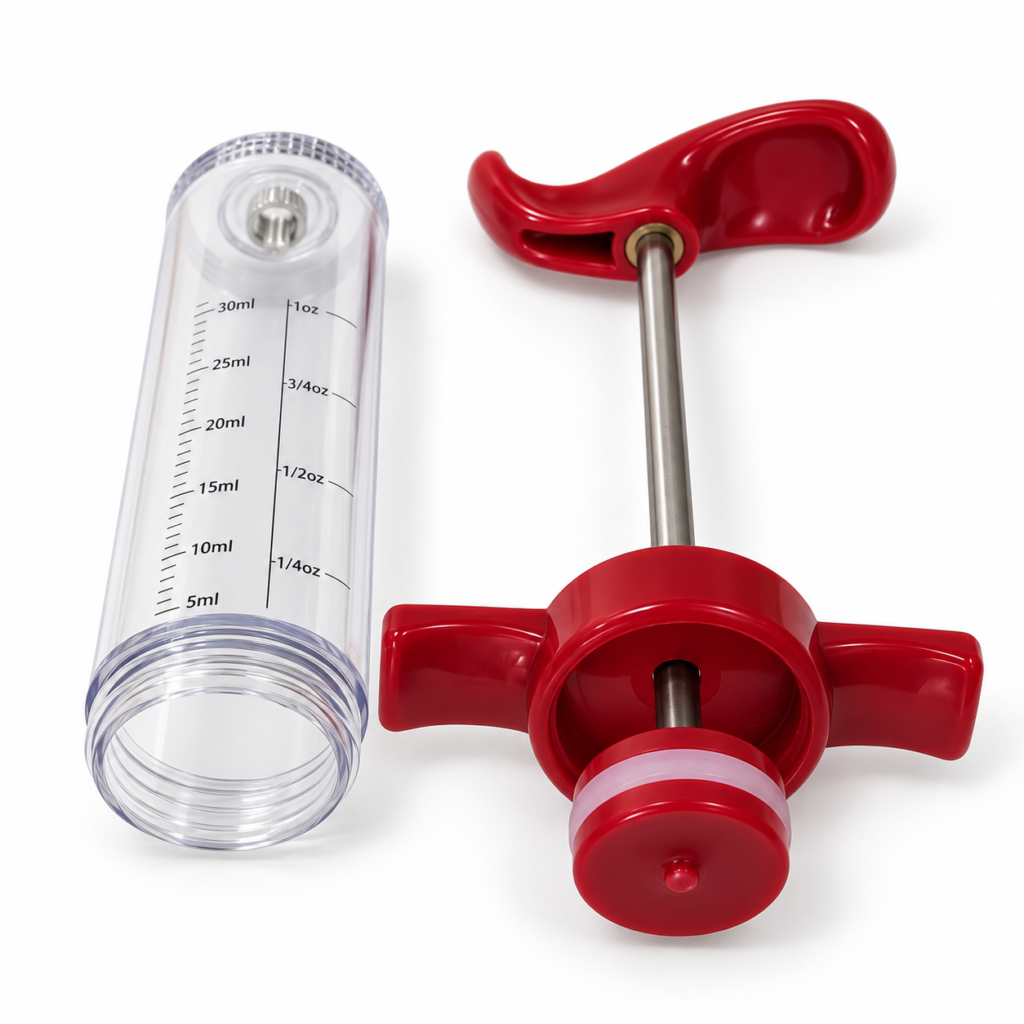
The easiest time to separate raw-meat utensils from serving utensils is before cooking starts. Once the grill is busy and guests are waiting, it is easy to reach for the closest plate or tongs. A simple three-zone arrangement makes the correct choice visible.
The three zones
| Zone | What belongs there | What must stay out |
|---|---|---|
| Raw preparation | Raw-meat tray, forming tools, used marinade brush and working marinade | Finished food, salad and clean serving plates |
| Cooking | Appropriate cooking tools and the appliance’s safe working space | Loose packaging and utensils not rated for the heat |
| Clean serving | Clean plates, serving utensils and ready-to-eat accompaniments | Raw-meat trays, used brushes and contaminated handles |
FDA food-handling guidance advises separating raw food from ready-to-eat food and not putting cooked food onto a plate that held raw meat unless it has been washed appropriately. The zones turn that guidance into a practical layout.
Make the distinction obvious to other people
Use labelled trays, separate positions or visibly different utensils. Colour can help, but only if everyone knows the meaning. Two identical pairs of tongs placed together do not provide a useful reminder.
Before the first batch is cooked, point out the clean serving area. Keep children and passing guests away from raw-food tools and sharp items, including an injector needle.
Plan the brush and marinade together
Pour a working portion of marinade into its own bowl before touching raw meat. Keep any clean finishing portion separate from the beginning. Once a brush or needle has contacted raw meat, do not return it to the clean supply or treat the remaining working liquid as a ready-to-eat dip.
The HandyDost marinade injector and basting brush belong to the preparation stage according to their intended uses. Neither a red handle nor a removable cover makes a used tool clean.
Remember the places your hands touch
The bowl rim, drawer handle, phone and seasoning packet can be overlooked during preparation. Set out the supplies you need before handling raw ingredients, and wash your hands appropriately when moving back to clean tasks. Do not photograph every stage with unwashed hands and then use the same phone beside the serving plate.
Keep waste packaging in a separate container so that leaking trays are not laid across the clean worktop.
Build a clear handover to cooked food
Use the appropriate thermometer check for the food. Then transfer it with clean or appropriately cleaned utensils to the clean serving plate. Do not use a visual colour change as the signal that raw-meat juices on a nearby tool have become harmless.
If space is limited, work in stages rather than allowing all zones to overlap. Finish raw preparation, move the food to cooking, then clean the work area before assembling ready-to-eat sides there.
End with a reset, not a quick rinse
Clean equipment according to its instructions and suitable food-safety guidance. Separate components that are designed to come apart, dry them and store them safely. Do not mix cleaning chemicals or improvise a disinfectant recipe from unrelated advice.
Read thermometer placement, cleaning brushes and injectors and planning a small BBQ gathering. More guides are at HandyDost’s blog.
AI-assisted workflow based on official food-handling principles; it does not replace cleaning instructions for specific equipment.