
How to Thaw Frozen Mince Safely Before Shaping Burgers
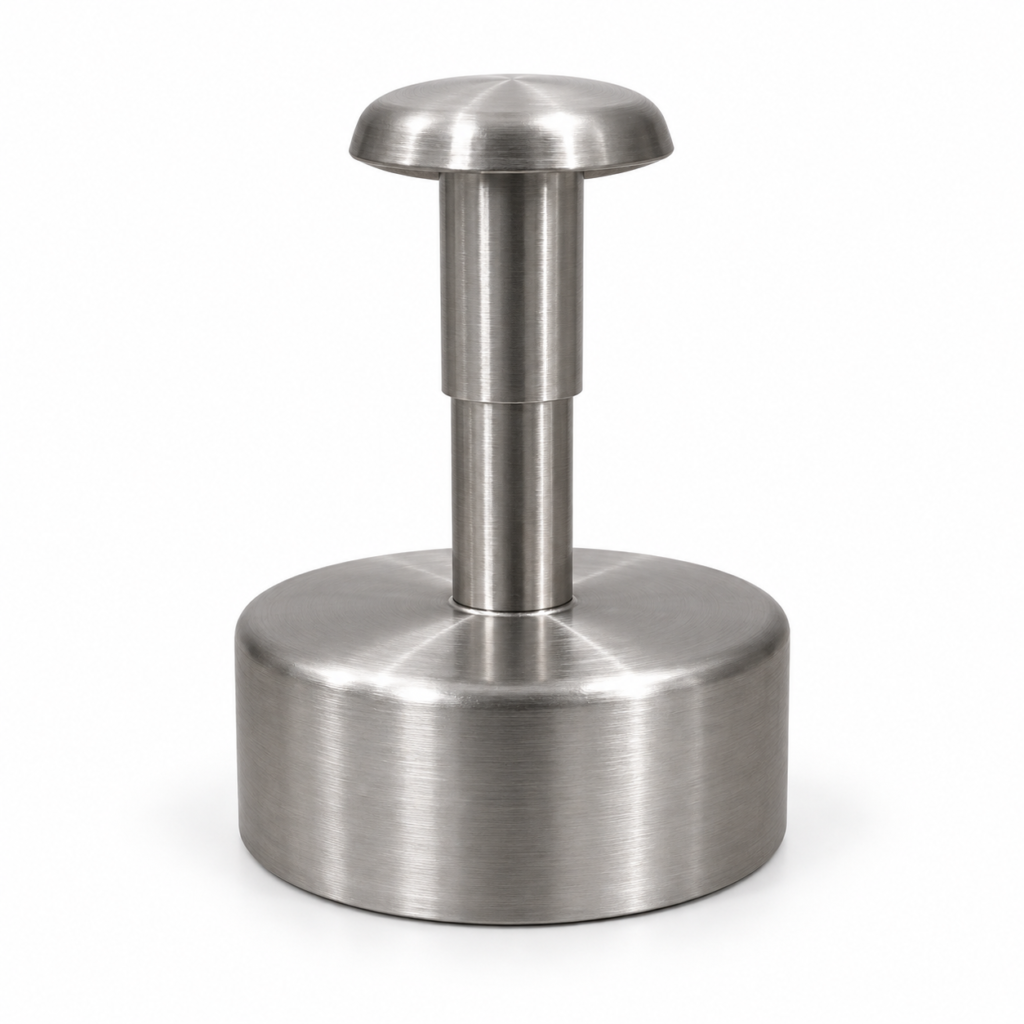
Frozen mince should be thawed using a safe method before you try to reshape it into patties. Leaving a block on the counter until it becomes soft enough for a press is not a safe preparation plan. The outside can warm while the centre still feels frozen.
Choose a method that fits the cooking plan
USDA’s safe-thawing guide identifies refrigerator, cold-water and microwave methods. It advises against counter or hot-water thawing. Choose before starting the recipe, because the faster methods require more immediate attention to cooking.
| Method | Key boundary |
|---|---|
| Refrigerator | Plan ahead and keep the meat contained so juices cannot reach other food |
| Cold water | Use leakproof packaging, change the cold water every 30 minutes and cook promptly after thawing |
| Microwave | Follow appliance instructions and cook immediately after defrosting |
USDA distinguishes refreezing after refrigerator thawing from cold-water or microwave thawing; food thawed by the latter methods should be cooked before refreezing. Follow the full guidance and the product’s own storage information.
Set up the refrigerator method deliberately
Put the package in a clean container able to catch any leakage and keep it away from ready-to-eat ingredients. Leave enough time for the block’s size and shape rather than assuming every package thaws overnight.
Keep the original label or a clear note of what the package contains. A flat bag of beef mince and a similarly wrapped cooked filling should not become indistinguishable once placed in the fridge.
Do not leave the faster methods unattended
A cold-water method requires active time management. Set a timer for the water changes and have the cooking equipment ready. It is not a method to start before leaving the house. If the packaging leaks, the water and surrounding surfaces also need appropriate handling.
Microwave thawing can create unevenly warmed areas, which is why cooking must follow immediately. Do not defrost in the microwave and then put the meat beside the press while you prepare several unrelated dishes.
Separate thawing from forming
A manual patty press is not a tool for breaking a frozen block into pieces. Do not force hard frozen mince into the mould or use the pressing mechanism as a chopper. Once thawed safely, follow your burger recipe’s mixing and portioning instructions.
Plan only the amount you can prepare and cook under suitable conditions. If a frozen pack is much larger than your usual meal, change how you portion future packs before freezing rather than repeatedly thawing and handling the same large block.
A useful freezer label
Record the food name, whether it is raw or cooked, the packed quantity and the date it was frozen. Add any source-label instructions you need later. This helps you choose a package that fits the next meal without guessing from its colour through a bag.
Do not assume a different smell or colour will reliably identify unsafe thawing. Follow the time-and-temperature history instead of trying to rescue food left under uncertain conditions.
Cook to the right endpoint
Use the appropriate food thermometer guidance for the meat and recipe. Defrosting does not cook the centre, and shaping a thin disc does not establish safe doneness.
See freezing formed patties, utensil separation and checking burgers and chicken. More guides are at HandyDost’s blog.
AI-assisted guide using official thawing advice. This is not a diagnosis of food with an unknown storage history.