
Shami Kabab vs Burger Patty Mixture: Why the Same Press Does Not Mean the Same Method
Shami kababs and burger patties can both be round, but the shared shape does not make their mixtures interchangeable. One recipe may start with cooked meat and lentils, while another forms raw mince before cooking. The preparation sequence matters more than the shape of the mould.
Compare the starting mixtures
Food Fusion’s shami kabab recipe cooks the meat-and-lentil mixture before processing it with additional ingredients and shaping. That is a useful example of why shami preparation differs from a straightforward raw-beef burger. It is not a statement that every family’s shami recipe has identical ingredients.
Use the complete source recipe for the cooking stages and amounts. Do not substitute a raw-burger method for the final cooking of a shami mixture, particularly when ingredients such as raw egg are added after an earlier cooking stage.
Ask four separate questions
| Question | Why it matters |
|---|---|
| Which ingredients are already cooked? | They do not establish that all later additions are ready to eat |
| How is the mixture meant to bind? | The recipe determines whether lentils, egg or other ingredients are involved |
| How should it be shaped? | A hand-formed disc and a deep mould may produce different thicknesses |
| How is the finished item cooked safely? | Shape and surface colour do not answer the internal-doneness question |
Evaluate a mould with one portion
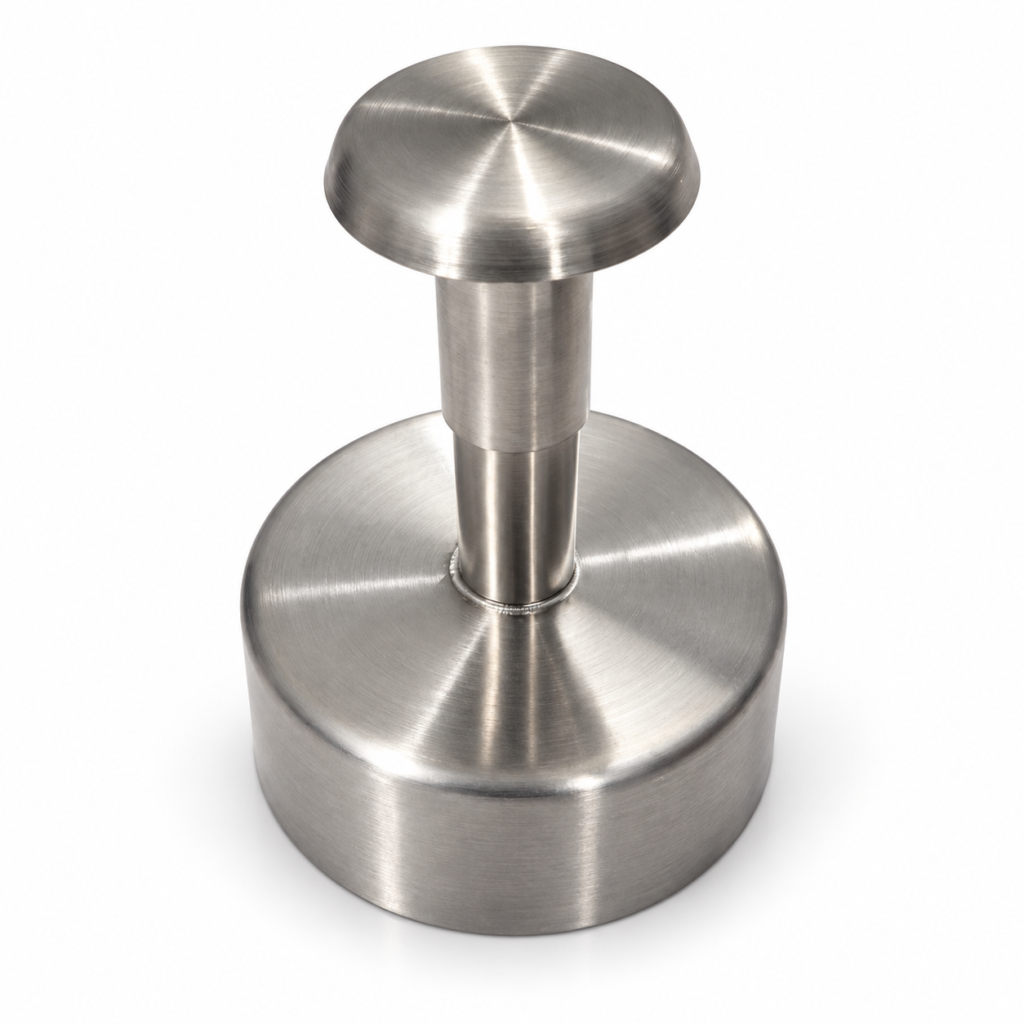
The HandyDost Burger Patty Press is sold as a manual burger-forming tool. The listing does not include a tested shami-kabab compatibility claim. If the tool instructions and your recipe permit moulding, try one suitable portion rather than assuming every mixture will release in the same way.
Keep the receiving plate close and support the shaped portion as it is released. Do not overfill the mould or use excessive pressure to correct a mixture that is too wet or too crumbly. Hand-shaping according to the recipe remains a valid option.
Keep texture adjustments tied to the recipe
If a shami mixture feels wrong, review its own drying, cooling and processing stages. Adding extra binder at random can change both texture and flavour. If a raw burger mixture feels wrong, do not automatically copy the lentil or egg addition from a different dish.
Record the actual change you make. A short note such as the recipe name, portion weight and shaping method is more useful than remembering only that the second batch held together better.
Organise the two dishes separately
When preparing both foods for a gathering, keep their mixtures and utensils identified. Do not place cooked or ready-to-eat components on a board used for raw mince. Wash equipment appropriately between tasks and keep perishable mixtures under suitable temperature control.
For a recipe containing ground beef, USDA provides a 160°F, or 71.1°C, safe internal-temperature reference. For other ingredients or mixed preparations, use the appropriate complete cooking guidance rather than relying on a universal frying time.
Choose a useful outcome
A consistent serving size, an intact shape and safe cooking are more important than making both dishes look identical. Let each recipe keep the texture it is designed to have.
Read patty-structure troubleshooting, potato-tikki shaping and utensil separation. Find more at HandyDost’s blog.
AI-assisted technique comparison; no independent shami-kabab press test is claimed.