
Body Wash or Bar Soap in a Refillable Bath Brush? Check the Intended Fill
A liquid-soap compartment is not automatically a bar-soap holder. Use the cleanser and filling method the brush is designed for, without homemade dilution experiments.
Using, rinsing, drying and storing bath brushes and sponge-based washing tools.
A liquid-soap compartment is not automatically a bar-soap holder. Use the cleanser and filling method the brush is designed for, without homemade dilution experiments.
Use the manufacturer’s guidance and visible condition to decide when a bath brush is no longer suitable. Avoid universal replacement schedules and unverified sterilising methods.
Check the intended use before putting a body-washing brush into hair. Grip, bristle shape and cleaning access do not establish scalp-treatment benefits.
Organise bath brushes as personal items, not communal accessories. A quick rinse or identical appearance does not establish that sharing is appropriate.
Persistent odour needs more than added fragrance. Stop use, inspect accessible parts and follow approved cleaning or replacement guidance.
Plan drainage, ventilation and cleaning access in a windowless bathroom. A hanging loop helps organise a brush but cannot fix a room’s moisture problem.
Use a refillable bath brush with light pressure, follow the soap and cover instructions, and clean the compartment rather than repeatedly topping it up.
Compare washing tools by comfort, cleaning access and drying space. Avoid choosing a body brush from unsupported antibacterial or all-skin claims.
Rinse, remove excess water and give a bath sponge brush a drying position outside constant spray. Do not judge the sponge core by the outside alone.
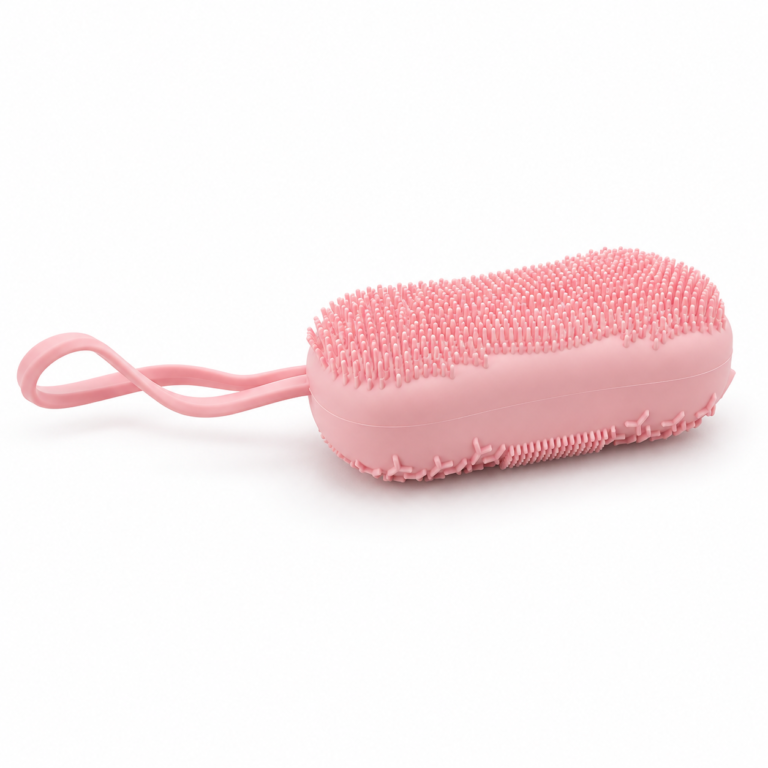
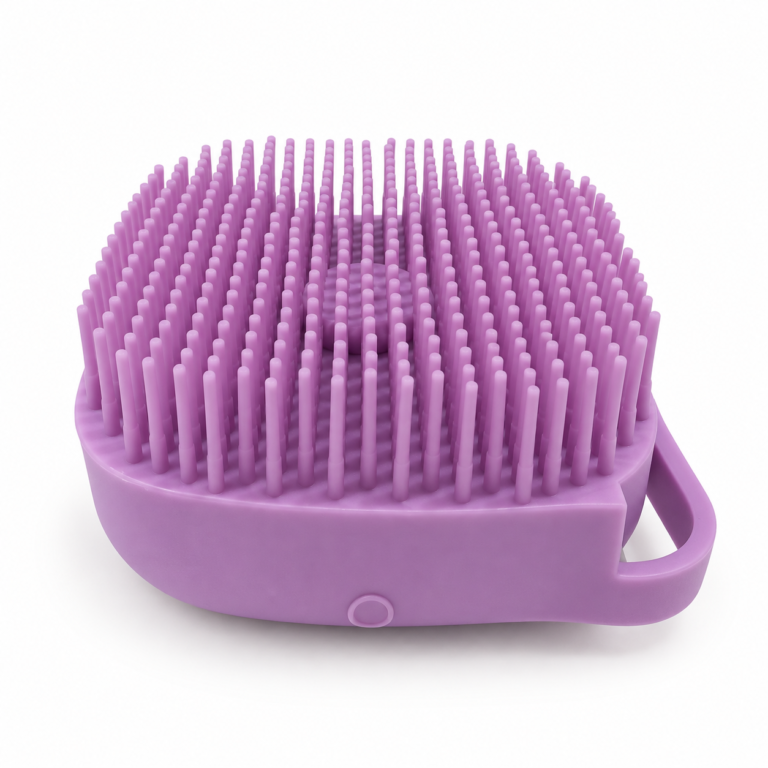
Compare hand straps, hanging loops, bristle layouts and refill compartments. Choose a shower brush you can hold, clean and store comfortably.