
Should You Share a Bath Brush? Keep Personal Washing Tools Identifiable
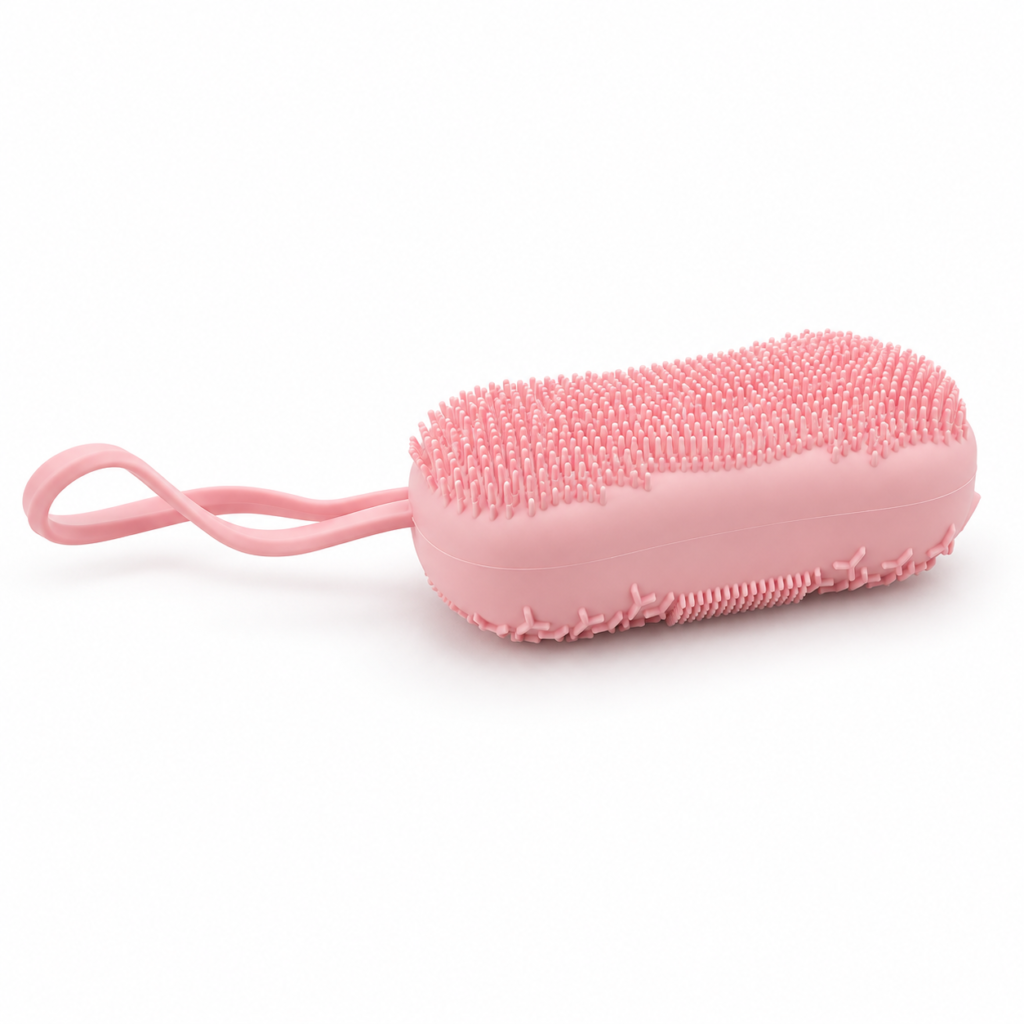
Keeping a bath brush for one person’s use is the simpler household arrangement. Label or separate the brushes so that nobody has to guess which one belongs to whom. A clean-looking tool and a shared bottle of body wash do not make a washing accessory automatically suitable for sharing.
Use general personal-hygiene guidance sensibly
CDC advises against sharing personal items such as washcloths, towels and razors. Treating a body-washing brush as a personal item follows that precautionary approach. This does not mean a particular HandyDost brush has been tested for, or found to carry, a specific organism.
Do not use a product’s appearance as a germ test. At the same time, there is no need to turn routine organisation into a frightening claim about every bathroom accessory.
Make ownership easy to see
Separate hooks, labelled storage positions or clearly different designs can work. Choose a system everyone in the household understands. If labels are used, keep them away from skin-contact areas and do not create an edge that scratches or traps residue.
The purple refillable brush and pink sponge brush are different designs, not a prescribed two-person set. Choose according to each person’s comfort and the intended use, not simply to buy different colours.
Plan for guests without borrowing used tools
A clean unused washcloth or an individually supplied suitable accessory is easier to manage than lending a used personal brush. Keep clean guest items dry and separate from the basket containing used towels or wet tools.
Do not assume that soaking a brush in an improvised cleaner makes it suitable for a new person. Follow the manufacturer’s cleaning instructions, and do not promise sterilisation from a household routine.
Handle accidental mix-ups calmly
Stop sharing and restore the separate storage arrangement. Review whether the tool can be cleaned as instructed and whether anyone has relevant skin problems that require personal advice. Do not scrub the skin aggressively or apply harsh household chemicals after a mix-up.
If there are wounds, painful redness, swelling or other signs of a possible skin problem, seek appropriate clinical advice. A shopping page cannot diagnose the cause.
Keep the holder part of the routine
| Storage check | Useful adjustment |
|---|---|
| Brushes touch one another while wet | Give each a separate suitable drying position |
| Labels are unclear | Agree a simpler ownership system |
| The holder collects residue | Clean and dry it according to its material instructions |
| Used and unused accessories are mixed | Create distinct clean-storage and used-item areas |
A personal brush still needs cleaning and drying. Ownership does not make it maintenance-free, and a hanging loop does not help if the item is always left in standing water.
Buy only what the household will maintain
One suitable personal accessory with a clear care routine is more useful than several tools that stay damp and unidentified. Check whether compartments open for cleaning and whether the design suits the person using it.
Read drying between showers, condition-based replacement checks and storage in a poorly ventilated bathroom. More guides are at HandyDost’s blog.
AI-assisted hygiene guidance; it does not establish a product-specific infection risk or replace medical advice.