
Body Brush, Loofah or Washcloth: A Practical Choice Guide
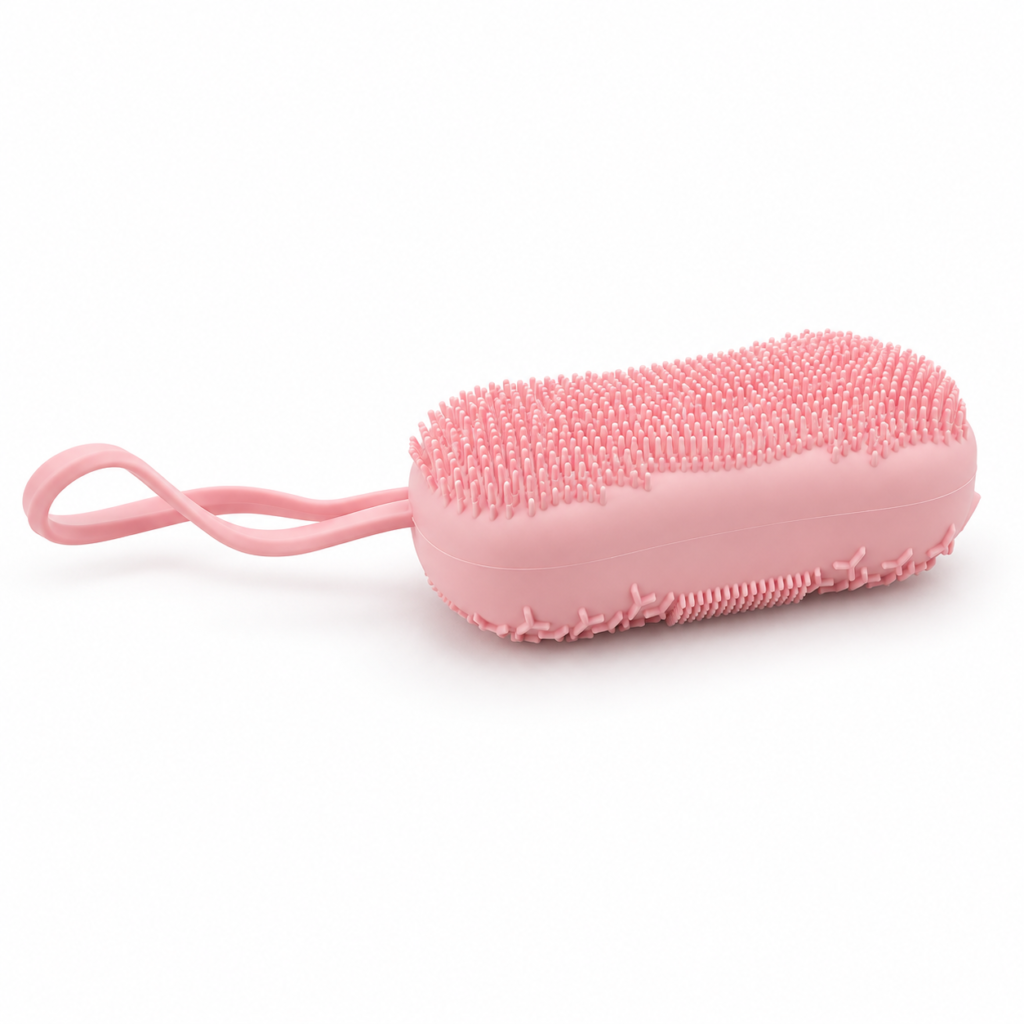
Choose a washing tool by how it feels in use and how easily you can clean and dry it, not by the strongest exfoliation claim. A brush, loofah and washcloth have different handling and care needs. For some people, gentle washing with the hands is the simpler choice.
Comfort comes before the accessory
Do not keep scrubbing because a product is marketed as ‘deep cleaning’. If the tool feels harsh or leaves irritation, stop and choose a gentler approach. For people with psoriasis, American Academy of Dermatology advice specifically cautions against rough washcloths and loofahs. That is a clear reason not to describe any scrubber as suitable for every skin condition.
This is a practical equipment comparison, not medical advice or a recommendation to treat a skin problem with a brush.
Compare the everyday handling
| Tool | Useful questions before choosing |
|---|---|
| Body brush | Is the grip comfortable? Can you reach and clean the bristles and any chamber? |
| Loofah or sponge-style tool | Can it be rinsed thoroughly and dried in your bathroom? |
| Washcloth | Can you launder, dry and replace it conveniently within your routine? |
| Hands | Would a simple gentle wash meet your needs without extra equipment? |
There is no need to own every option. The tool that is easiest to care for in your own space may be more practical than the one with the most features.
Distinguish the two HandyDost designs
The purple refillable brush has a liquid-wash chamber, removable cover and hand strap. The pink double-sided sponge brush has two textures, a sponge insert and hanging loop. A chamber and a sponge core are different designs with different cleaning access.
The listings do not verify an antibacterial treatment, a material grade or dermatological approval. Do not infer those properties from colour, flexible-looking bristles or a product name used by another seller.
Think about drying before buying
Look at the actual bathroom. Is there a place outside constant spray where the tool can drain? Will it be closed in a cupboard while damp? Is it likely to sit beneath bottles that drip onto it?
A hanging loop can help position a tool, but it does not guarantee the sponge or chamber dries completely. You still need to rinse it, remove excess water as instructed and give it suitable air exposure.
Do not use replacement dates as a substitute for inspection
Follow any manufacturer replacement guidance, but inspect the tool as well. Damage, persistent residue or a condition that ordinary cleaning does not resolve can justify replacing it sooner. Conversely, a general internet countdown is not evidence that every material and design has the same service life.
Do not share a personal washing tool casually in a household. Give it a clear storage place and a care routine its user can maintain.
Make a small, informed choice
Start with the gentlest option that meets your routine and is easy to keep clean. Ask about the product’s actual design and care rather than seeking a promise that it ‘removes all germs’. Read using a refillable brush, drying a sponge brush and choosing a comfortable grip. More articles are in the HandyDost library.