
Frothing UHT, Powdered and Plant Milk: A Practical Comparison
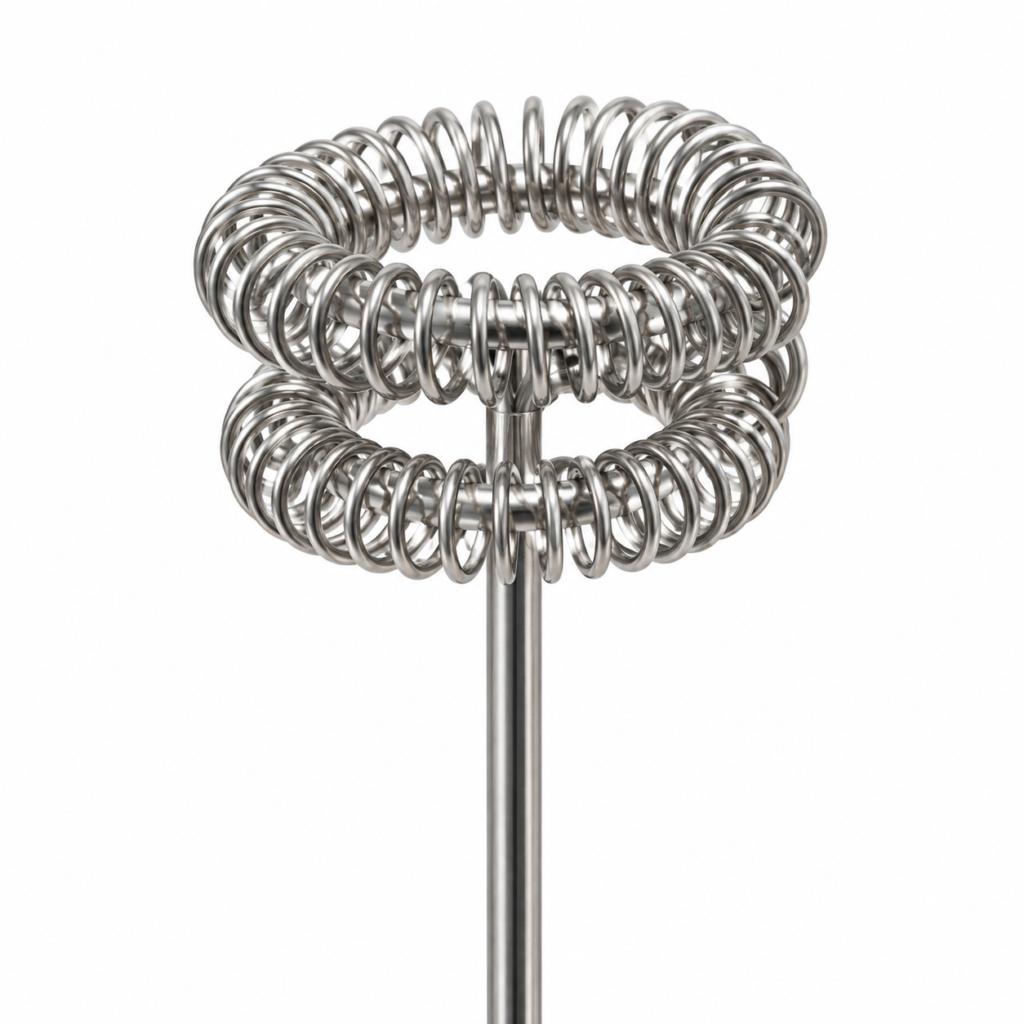
There is no useful rule that every UHT milk froths poorly, every fresh milk froths well, or every plant drink behaves like dairy. Start with the exact product you buy and compare it under the same conditions. Formulation, preparation and storage can matter as much as the category printed on the front.
This is a method for choosing a milk that suits your own drink, not a nutritional ranking or a laboratory comparison of Pakistani milk brands. We have not tested every local brand, and we do not assign invented foam scores.
Read the label before comparing results
Record the product name, whether it is plain or flavoured, and any manufacturer advice about heating, frothing and refrigeration. A product sold as a beverage or tea whitener should not automatically be assumed to have the same formulation as plain milk. If your usual drink uses a particular product for taste, judge that taste alongside the foam.
Nespresso’s troubleshooting guidance highlights that milk composition and reconstituted or enriched products can change frothing results. The practical lesson is to compare specific products, not to import settings from a different machine.
For UHT milk
Use the carton according to its storage directions, including the instructions after opening. The fact that an unopened carton is shelf-stable does not mean an opened one can stay on the counter indefinitely. For a fair test, note whether you used a newly opened carton or one already stored in the fridge.
Keep the vessel, amount and head position consistent. If you change to another carton, record its exact name rather than simply writing ‘UHT’. This helps you repeat a good result on your next shopping trip.
For powdered milk
Prepare the milk according to the package before testing the frother. Undissolved powder makes it harder to judge whether a problem comes from the milk or from incomplete mixing. Do not automatically make the mixture much stronger in the hope of producing better foam; first establish a baseline using the manufacturer’s ratio.
Mix the powder with an ordinary spoon or the method recommended on the pack, allow visible lumps to disperse, and then froth a separate portion. Follow the storage instructions for the prepared product rather than those for the dry powder.
For plant-based drinks
Compare the exact formulation and follow any barista or frothing guidance on its packaging. A barista-labelled version and the original version from the same brand may not be identical products. Taste them in coffee as well as alone; the most dramatic foam is not useful if you dislike the finished drink.
If you avoid a particular ingredient or have an allergy, the ingredient label takes priority over a frothing recommendation. A coffee accessory does not make one formulation appropriate for everyone.
A simple comparison sheet
| Keep the same | Write down |
|---|---|
| Cup, head and starting quantity | Exact milk name and preparation method |
| Warm or cold starting condition | Foam texture, not just height |
| Similar handling sequence | How it pours and tastes in your drink |
| Clean equipment | Whether the result is easy to repeat |
Use one variable at a time. Comparing a warm dairy milk with an ice-filled plant drink and a different attachment tells you very little about either milk.
Keep the tool within its role
The HandyDost frother is for drinks and light mixing. Do not add frozen ingredients or treat it as a blender while comparing milk. For a consistent starting technique, read how to use the wand; for diagnosing failure, see the no-foam checklist. Visit the guide library for more.