
How to Freeze Homemade Burger Patties Without Sticking
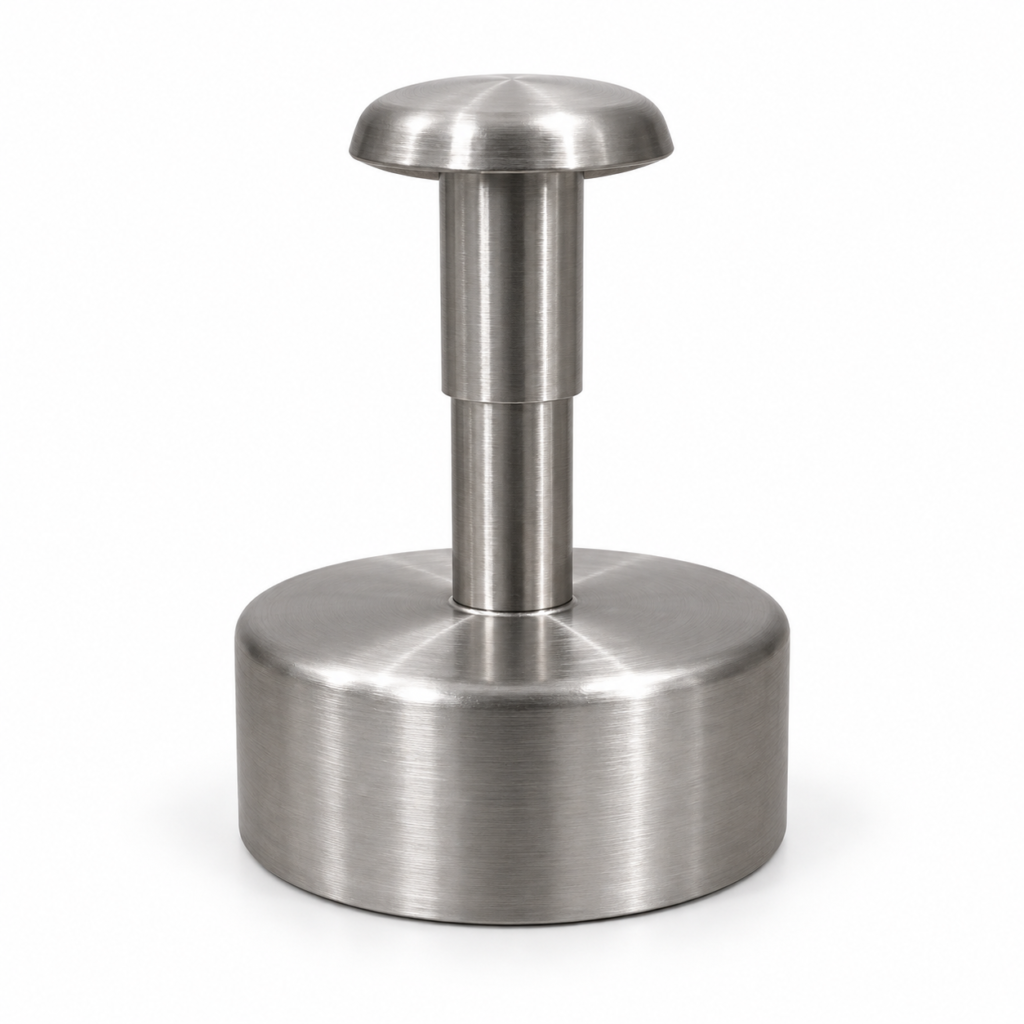
To keep homemade burger patties separate, form manageable portions, use suitable food-contact separators and freeze them in packaging that protects their shape. Label the batch before it goes into the freezer. A little organisation at this stage is more useful than trying to split a solid stack with a knife later.
Plan the batch around the meals you need
Decide how many patties you usually cook together. Pack in those meal-sized groups rather than making one large package that must be repeatedly opened. If you use different meat mixtures, label them clearly so the cooking requirements remain obvious.
The HandyDost forming press can help shape the portions. It does not measure their weight or determine freezer storage life. Use a scale if consistent portions matter.
Keep preparation cold and organised
Work with a manageable quantity and keep the rest refrigerated. USDA’s ground-beef guidance recommends using refrigerated raw ground beef within one to two days or freezing it. Do not extend that preparation window because you plan to freeze the patties eventually.
Have the tray, separators and packaging ready before shaping. Clear a flat space in the freezer so you do not leave raw patties on the counter while rearranging it.
Separate before stacking
- Form the patties using a suitable portion for your recipe and mould.
- Place them on a clean, freezer-suitable tray with compatible food-contact lining if needed.
- Keep the patties separate while they firm up, or place appropriate separators between layers.
- Pack in freezer-suitable containers or bags that protect them from pressure.
- Label the contents, meat type, number of patties and freezing date.
Follow the packaging instructions for liners and bags. Do not use an unknown piece of wrapping merely because it looks like baking paper. Remove separators before cooking unless the material is explicitly suitable for that cooking use.
Understand storage quality versus safety
The USDA freezing guide distinguishes frozen-food quality from safety and recommends a freezer temperature of -18°C or below. Freezing does not undo unsafe handling before the food was frozen.
A date label helps you use older batches first and avoid mystery packages. Do not rely on a freezer’s outside display alone after a long power interruption; follow official guidance for the actual temperature and exposure history.
Choose a safe thawing or cooking method
Plan refrigerator thawing where appropriate, or follow a recipe that is specifically designed for cooking patties from frozen. Do not improvise a counter-thawing method because dinner is late. USDA’s thawing guidance explains the safe options and their handling requirements.
Check the cooking temperature for the meat you used. Ground poultry and ground beef do not share the same target. Use a thermometer and avoid placing cooked patties back onto a raw-meat surface.
Make the next batch easier
Note whether the separators fit, whether the container protected the shape and how many patties the household actually used. Adjust the packaging and batch size next time instead of buying a larger press automatically.
See portioning with a scale, release troubleshooting, and the HandyDost guide library.