
Pastry Wash Leaving Streaks or Puddles? Check These Preparation Steps
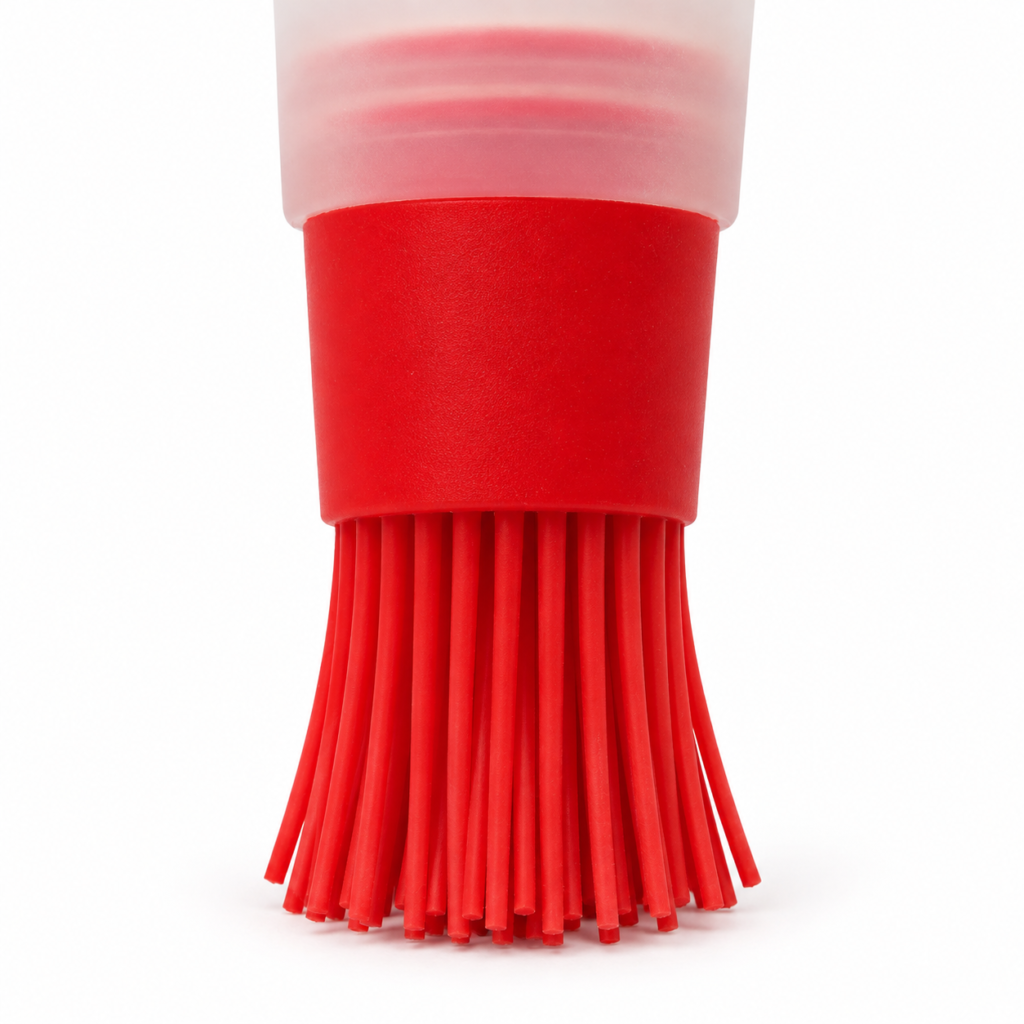
Streaks and pools are easier to prevent before the tray goes into the oven than to correct after baking. Inspect the wash, the brush and your application pattern separately. Repeatedly coating the same piece can create a heavier layer without fixing the original problem.
Check the mixture first
If the wash contains visibly separate egg white or unmixed ingredients, prepare it properly before blaming the brush. Culinary Hill’s egg-wash method starts by whisking the ingredients together and then applying a light coating. Follow the selected recipe’s formulation rather than adding unmeasured liquid until the bowl looks easier to brush.
A glaze, melted fat and an egg wash do not have identical handling. Confirm that you are using the mixture intended for that stage of the recipe.
Use an observation table, not a universal fix
| What you notice | What to inspect next |
|---|---|
| Thick strings leaving the brush | Whether the mixture is evenly combined |
| A pool around the pastry base | How much liquid is loaded and where the strokes finish |
| Dry-looking gaps | Whether the brush reaches the area consistently |
| Marks or dents in delicate dough | Pressure, brush suitability and the recipe’s handling stage |
| One end of the tray much darker after baking | Application differences and the oven method, considered separately |
These are troubleshooting prompts, not a diagnosis from a photograph. A baking-temperature problem cannot be proven merely by looking at brush strokes.
Reduce the load before increasing the pressure
Put a small working quantity in a stable bowl. Load the brush lightly and use a controlled stroke on one piece. Look at the coverage before repeating. More pressure can deform soft dough; it does not necessarily distribute the liquid better.
Work in a consistent direction across the tray. A simple left-to-right sequence makes it easier to know which pieces have already been coated, particularly when interruptions happen during preparation.
Choose a brush that suits delicate work
A brush suitable for spreading sauce on a broad surface may feel different on soft pastry. Head shape, flexibility and the liquid itself affect handling. The HandyDost Oil & Basting Brush is a general preparation brush; this guide does not claim that it has passed a fine-pastry comparison test.
If the tool catches or drags, stop and choose a more suitable method for the recipe. Do not trim bristles or modify the head in the middle of food preparation.
Keep the coating stage distinct from serving
Raw egg wash belongs before the recipe’s required cooking step. Do not brush leftover raw wash onto finished pastry to improve its shine. Use a separate appropriate finishing glaze only where the recipe calls for one, with clean equipment.
Do not place an unrated brush onto a hot tray or leave it inside the oven. The HandyDost listing does not establish high-temperature contact suitability.
Record the next batch simply
Write down the wash used, the brush and one change you plan to make. Compare a small batch before coating a tray for guests. If you change the dough, oven setting and wash together, the result will not tell you which adjustment helped.
See egg versus milk wash, application tools and tray-liner choices. Browse more HandyDost guides.
AI-assisted preparation guidance, not a tested diagnosis of your dough or oven.