
Parchment, Wax Paper or Foil? Separate Cold Prep from Oven Use
A paper liner can make a cold preparation task easier without being suitable for the next cooking stage. Parchment, wax paper and foil are different materials. Identify the actual product before using it under a patty, on a baking tray or near a heating element.
Read the packaging rather than the shop shorthand
Terms such as baking paper or butter paper can be used loosely in conversation. The packet should tell you the intended use and any temperature or appliance restrictions. Ordinary writing paper, printed scraps and unknown packaging are not substitutes for a material sold for food contact.
Reynolds’ parchment guidance distinguishes its oven-rated parchment from wax paper exposed to oven heat. It also sets specific restrictions for its own products. Those ratings should not be copied onto an unlabelled paper from another source.
Think in two stages
| Stage | Question to answer |
|---|---|
| Shaping or separating cold food | Is the liner suitable for food contact and the intended cold storage? |
| Moving food to a pan or tray | Should the liner be removed first? |
| Baking | Does the packaging allow this temperature and appliance? |
| Grilling, broiling or direct flame | Does the material explicitly permit this exposure? |
| Microwaving | Do both the food-container and appliance instructions allow the material? |
Do not treat foil as permission to ignore appliance instructions, and do not place paper near an exposed flame because it survived a different cooking task.
A burger-preparation example
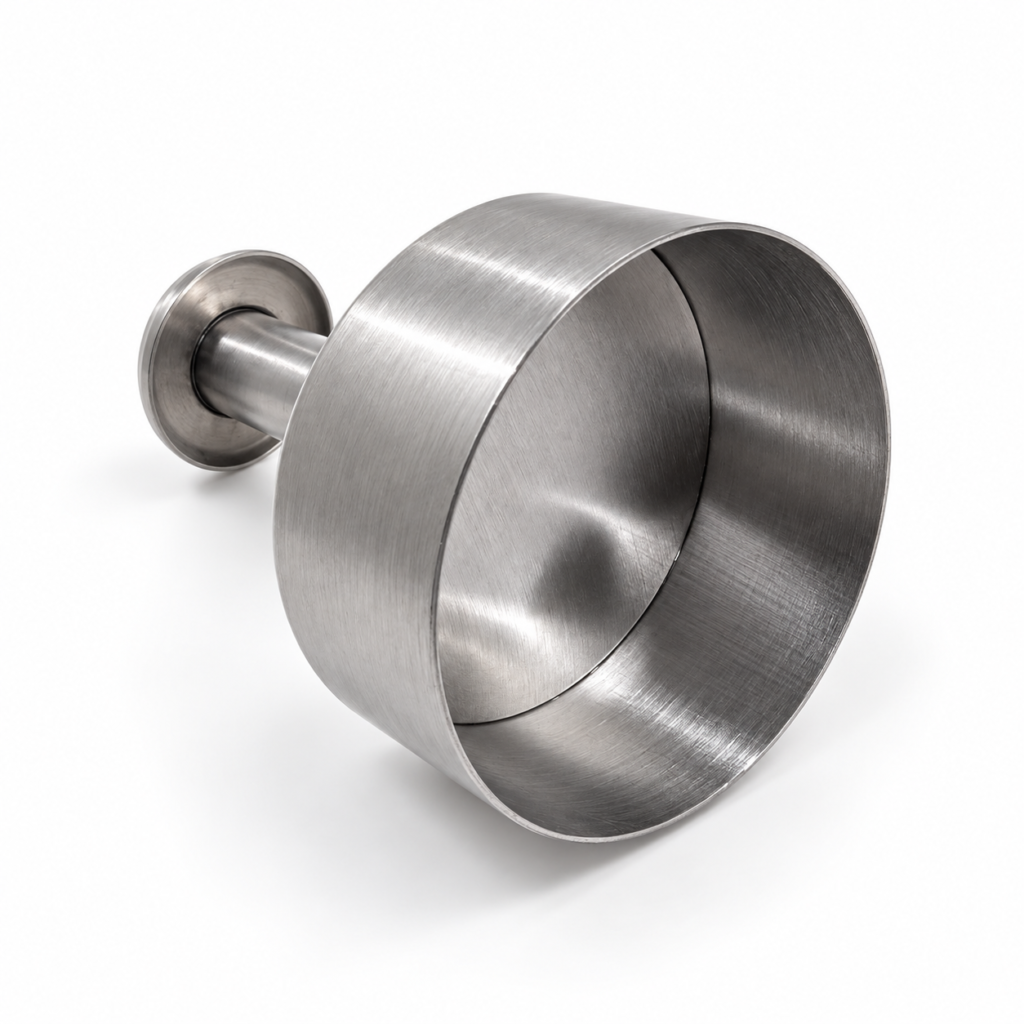
When using a manual patty mould, a suitable food-contact liner may help a recipe’s release or separation step. Choose a size that sits where it is needed without interfering with the pressing mechanism. Keep fingers clear and test one portion rather than lining a large batch before knowing whether it releases cleanly.
Decide how each liner will be removed before cooking. A sheet that clings to frozen food can be easy to overlook, especially when patties are stacked. Label stored portions and avoid a system where an unknown paper becomes part of the cooked meal.
Cut cleanly and keep scraps out of food
Prepare liners on a clean surface before handling raw ingredients. Keep the roll or packet away from raw-meat juices so the remaining supply is not contaminated. Use a separate waste area for offcuts rather than placing them beside finished patties.
If a liner tears during release, inspect the food and tool before continuing. Do not assume the missing fragment fell harmlessly onto the counter.
Storage convenience is not a heat rating
A packet marked for wrapping or freezing does not automatically establish oven suitability. Similarly, a reusable mat may have different restrictions from a disposable paper. Keep the instructions available rather than transferring materials into an unlabelled kitchen drawer.
The HandyDost patty press listing does not include liners or certify particular papers. The press itself is a preparation mould, not a verified hot-griddle smash tool. Keep the material choice and the tool’s intended use as separate checks.
Read patty release troubleshooting, freezing patties without sticking and forming press versus smash press. More guides are in the HandyDost library.
AI-assisted guidance; always use the instructions for the material and appliance you own.