
Burger Patties Sticking to the Press? A Practical Release Guide
If a burger patty sticks to the press, stop and check the portion, the mould and the release sequence. More pressure can make removal harder rather than solving the problem. The aim is a patty that holds its shape, not one compressed as tightly as possible.
Inspect the clean, empty mould
Check for dried residue around the rim or pressing plate. Make sure the mechanism moves as the supplied instructions describe. A plate that catches while empty needs attention before you add food.
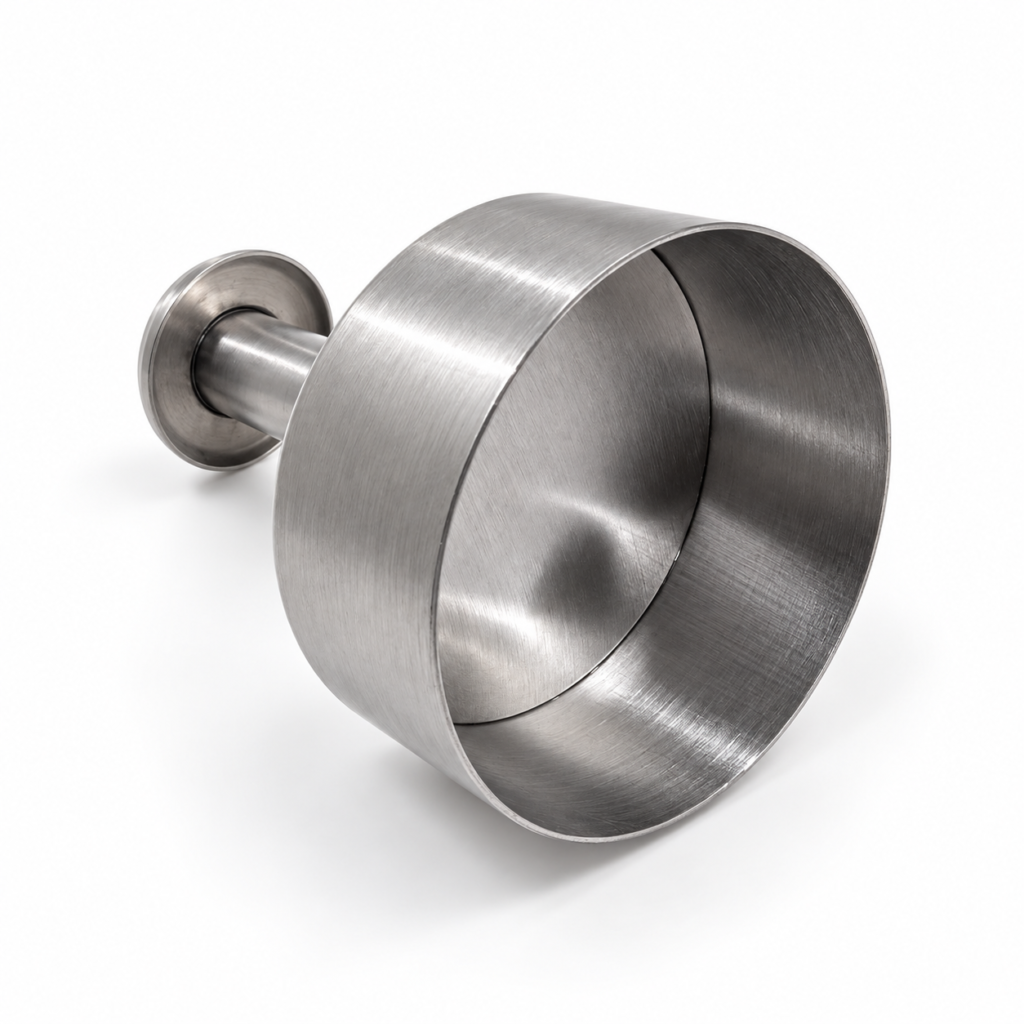
The HandyDost manual press has a round mould and flat pressing plate. Its listing does not claim a non-stick coating. Treat a non-stick promise on another product as that model’s specification, not a property of every silver-coloured burger press.
Reduce overfilling
A portion that extends into moving parts or is forced over the rim can complicate release. Try a smaller, measured amount that fits the mould and recipe. Spread it across the shape before pressing instead of relying on heavy force to move a tall central lump.
Write down the amount that gives a manageable first patty. For the next batch, repeat that portion rather than guessing from the outside appearance of the closed mould.
Keep mixture handling consistent
Do not let raw meat sit on a warm counter while you repeatedly troubleshoot. Keep unused mixture refrigerated and work in manageable portions. USDA’s ground-beef guidance emphasises cold storage and careful handling. A sticking problem is not a reason to disregard the food’s time outside refrigeration.
If your mixture is unusually wet or crumbly, return to the recipe. A press cannot correct every ingredient ratio. Avoid adding large amounts of oil, flour or another ingredient merely to release one patty unless that change makes sense for the recipe.
Consider a suitable food-contact liner
Where compatible with the press, a liner can give you a controlled way to separate the patty from a surface. Make sure it is intended for food contact and sized so it does not fold into the mechanism. Check any supplied instructions before placing a liner inside a moving mould.
Do not assume the liner can stay on the patty during cooking. Preparation and freezer separators must be removed unless their packaging explicitly allows the intended heat exposure.
Release gently
- Stop pressing once the portion has formed.
- Follow the press’s normal release movement.
- Support the patty with a suitable clean utensil or compatible liner.
- If it catches, inspect where it is sticking rather than levering a knife into the mould.
- Clean away residue before forming the next portion.
Keep fingers away from the moving plate. Scraping with a sharp metal tool can damage the finish and make future cleaning more difficult.
Separate a food problem from a hardware problem
If a normal portion releases after cleaning and a small technique change, note what helped. If the empty press binds, the plate is distorted or the handle feels loose, stop using the mechanism and ask the seller for guidance.
Read the basic pressing method, portioning with a scale and why this is not a hot-griddle tool. More practical help is available in the HandyDost guide library.