
How to Use a Burger Patty Press for Consistent Shapes
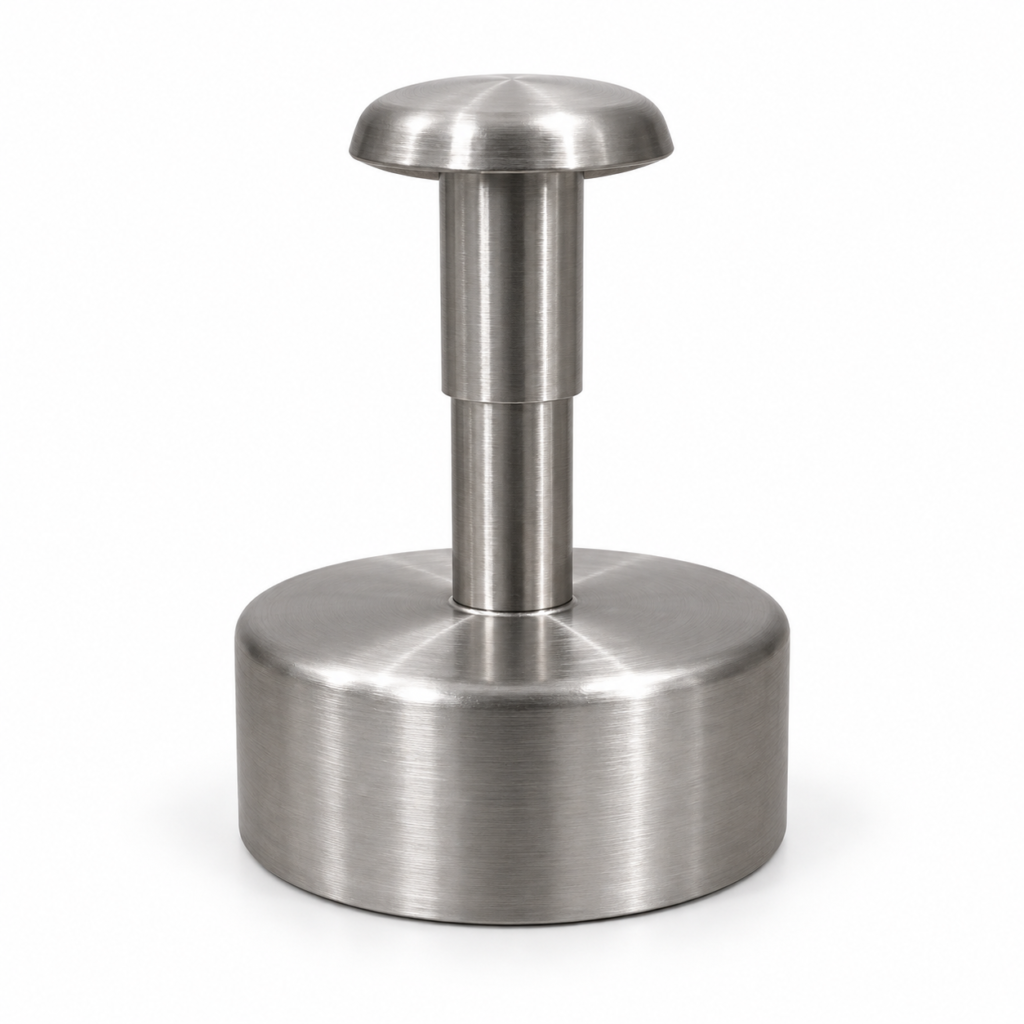
A burger patty press helps form a round shape; it does not automatically measure the portion, cook the meat or guarantee a juicy burger. Start with evenly divided mixture, fill the mould without overloading it, and use only enough pressure to form the patty. Then release it carefully and follow a safe cooking method.
The HandyDost Burger Patty Press is a hand-operated mould with a pressing plate and a wide top handle. It is intended for preparation, not advertised as a hot-griddle smash press.
Prepare the work area first
Set the press on a stable preparation surface. Have a clean tray for uncooked patties, a suitable utensil for handling them and a clear place for the mixture. Keep ingredients that will be eaten without further cooking away from raw-meat preparation.
Wash and dry the food-contact parts before use. Check that the moving plate travels normally and that no food or packaging is trapped around the rim. Do not begin with a loose or damaged mechanism.
Portion before pressing
Use the amount that fits your mould and recipe. If you want similar portions, weigh the mixture rather than judging by how full the press looks. A scale measures the amount; the press guides the shape. See the portioning guide for a simple calculation.
Make a small first trial to check how the portion fills the mould. Do not assume a particular diameter or capacity unless the product specifications provide it. The HandyDost listing does not publish a verified patty weight or mould diameter.
Form the patty
- Place the portion into the mould in accordance with the press’s supplied instructions.
- Spread it sufficiently to fill the shape rather than leaving a tall lump in one place.
- Keep fingers clear of the moving plate.
- Apply controlled pressure using the handle.
- Release and lift the patty carefully onto its preparation tray.
There is no benefit in leaning your full weight onto a small press. If the mixture sticks, inspect the fill, handling and release method before adding more force.
Use liners only where appropriate
A food-contact liner may help separate patties or assist release when compatible with the mould and recipe. Choose a suitable size so it does not bunch into the moving parts. Liners are not included in the HandyDost package unless the product listing says otherwise.
Remove preparation or freezer separators before cooking unless their packaging explicitly permits that cooking use. A material suitable between frozen patties is not automatically suitable on a hot pan.
Keep the cooking decision separate
For ground beef or lamb, the FoodSafety.gov chart specifies 71°C; ground poultry requires 74°C. Use a food thermometer rather than judging safety from colour or the shape produced by the press.
Do not put cooked patties back on the raw-meat tray. The press’s role ends at preparation unless the manufacturer explicitly states another use.
Clean while access is clear
Remove residue around the plate and rim, wash the food-contact parts and dry thoroughly before storage. Keep fingers clear of the pressing mechanism while cleaning. Do not scratch the finish with abrasive metal tools to remove a stuck piece.
For common problems, see patties sticking to the mould, forming press versus smash press and freezing patties separately. Browse the HandyDost guide library.