
Sweetening Iced Coffee: Syrup, Sugar and a Better Mixing Order
If iced coffee tastes unsweetened at the top and very sweet at the bottom, first inspect the mixing order. A pile of sugar below the ice is not a milk-foam problem. Deal with the sweetener before adding the ice and before deciding whether the drink needs a frother.
Choose a sweetener that suits the method
Granulated sugar, a ready-made drink syrup and a homemade syrup require different preparation. Read the syrup label because it may already contain flavouring or other ingredients. Do not use the same spoon count for every option and expect the same result.
Starbucks’ honey-ginger syrup recipe illustrates preparing a sweetened liquid separately before using it in coffee. A plain syrup or a commercial syrup can be a different choice; follow the directions for the actual preparation you use.
Use a staged assembly
- Prepare the coffee base using your normal method.
- Incorporate the chosen sweetener while there is enough liquid and room to stir it properly. For granulated sugar, avoid leaving visible crystals at the bottom.
- Add the milk or other permitted ingredient and mix the base.
- Taste a small amount with a clean spoon and adjust gradually.
- Add ice near serving time. If you want foam, prepare it separately and add it last.
Do not pour a very hot preparation into a glass that is not suitable for sudden temperature changes. Use heat-appropriate equipment and allow for the cooling method in the recipe.
Keep the frother away from ice
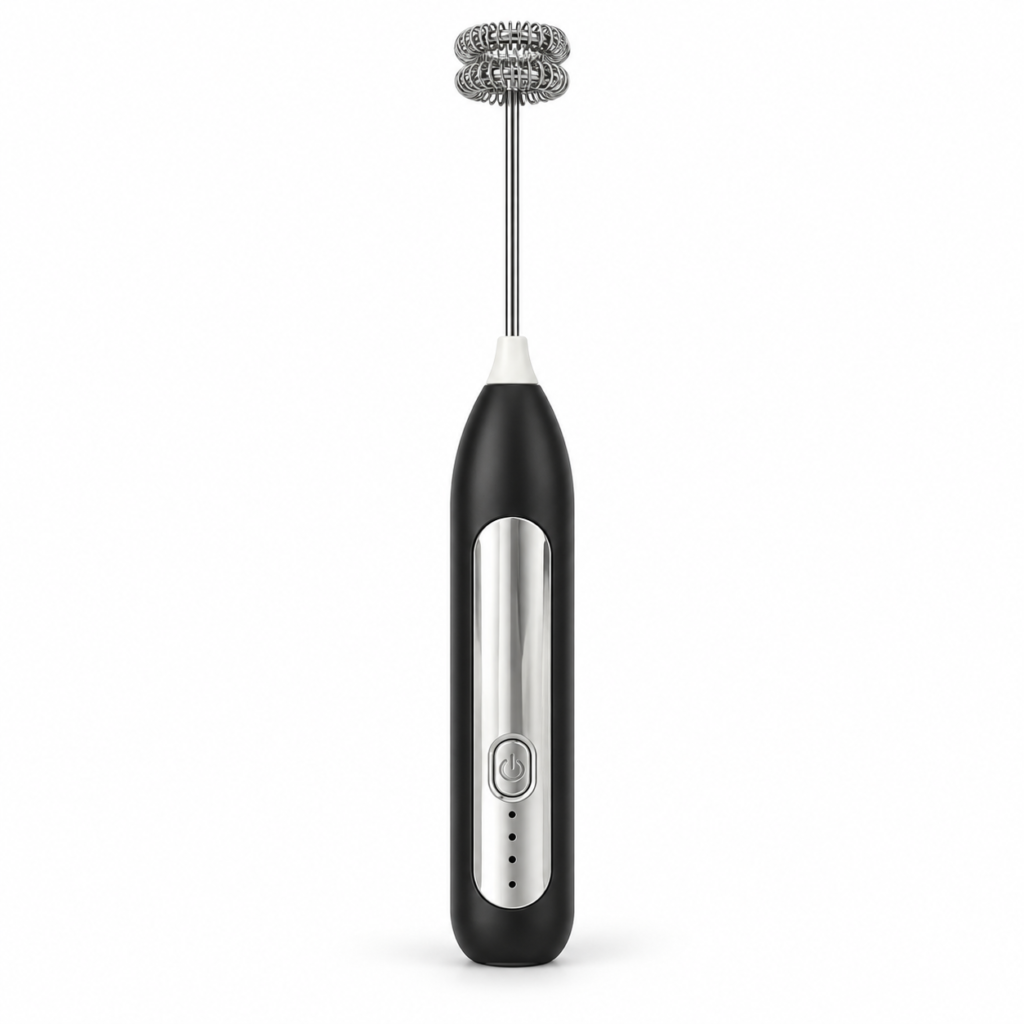
A handheld coil should not strike ice cubes or be used as an ice crusher. Mix the fluid components before ice is added, or froth the milk in a separate vessel. The HandyDost Coffee Beater is described for frothing and light mixing, not processing hard or frozen ingredients.
If your drink needs a blender, use one rated for the ingredients. Increasing the handheld mixing time will not turn sugar crystals, frozen coffee cubes or biscuit pieces into a suitable load.
Build a repeatable sweetness reference
Write down the amount of coffee, milk and sweetener for one serving. Use the same cup and measuring spoon on the next attempt. A large spoon from a cutlery drawer and a small teaspoon are not useful comparison units.
For a simple experiment, prepare two equal small portions of unsweetened coffee base. Add a measured amount of your chosen syrup to one, and a properly dissolved sugar preparation to the other. Compare your preference, then record it. This is a personal taste exercise, not a claim that one option is healthier or objectively better.
Remember the extra sweet ingredients
Flavoured milk, sweetened creamer, condensed milk or a purchased coffee mix can already contribute sweetness. Check those ingredients before adding the usual extra sugar. Adjust one ingredient at a time so you can identify the cause of an overly sweet result.
Keep homemade preparations in clean food containers and follow the source recipe’s storage directions. Do not assume a homemade syrup has the same shelf life as an unopened commercial bottle. Label what you prepared and when.
See iced coffee without a blender, choosing the topping and planning drinks for guests. The HandyDost guide library covers the wider routine.
AI-assisted editorial guide; taste comparisons are suggested exercises, not tests conducted by HandyDost.