
A Kitchen Gadget Cleaning Routine That Is Easy to Keep
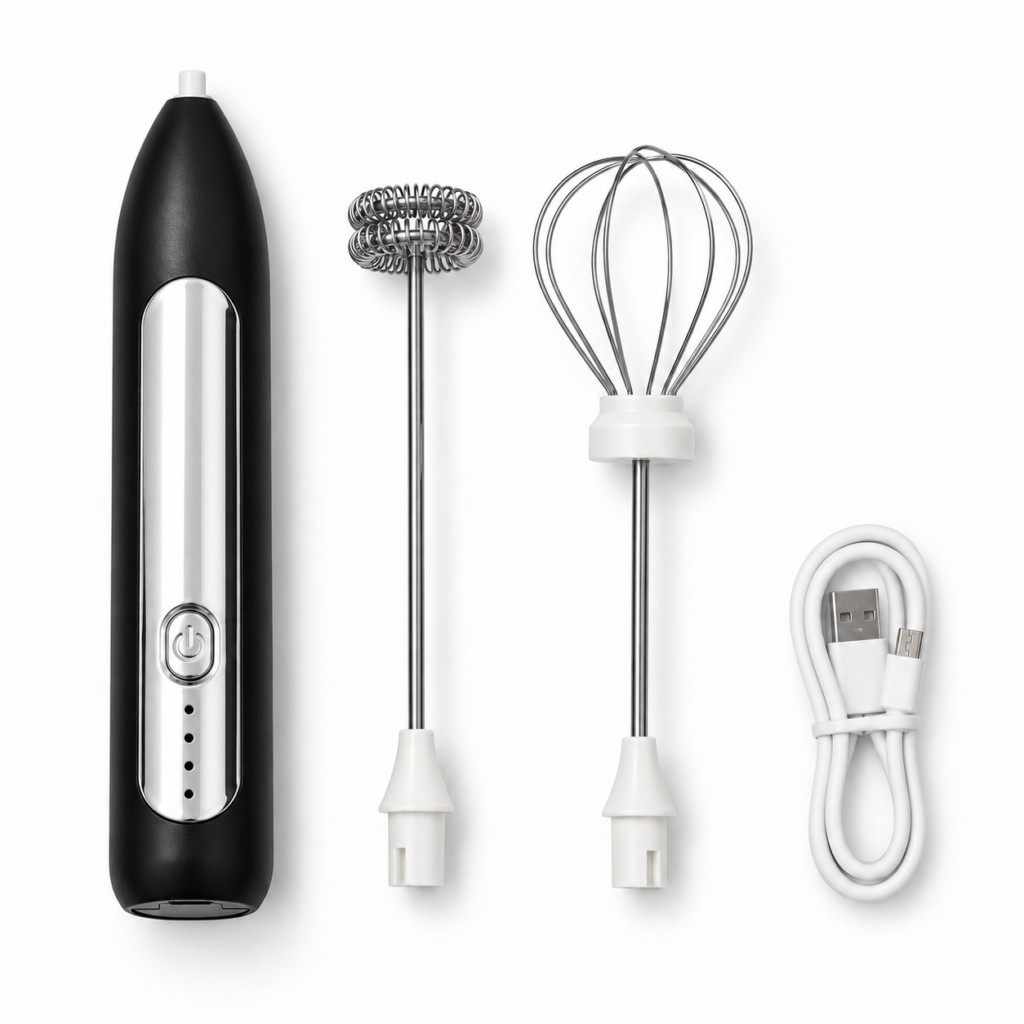
A manageable gadget-cleaning routine separates tools by what needs care: sharp blades, delicate wires, electrical handles and parts that touched raw food. Do not put everything into the same soak simply because it was used for the same meal.
Set up a visible used-tool area
Keep sharp peelers and pointed injector needles visible instead of dropping them into cloudy sink water. Place delicate whisk heads where heavy plates cannot bend them. Keep electrical handles and charging cables away from the wet washing area.
This is an organisation method, not a claim that one tray sanitises the equipment. Its purpose is to make the next cleaning steps clear and prevent tools from being lost among dishes.
Separate the care categories
| Tool or part | Main care consideration |
|---|---|
| Peeler blade | Keep the edge visible; remove scraps without running fingers over it. |
| Egg-slicer wires | Loosen residue gently without pulling or bending strands. |
| Frother handle | Wipe as instructed; do not immerse electrical parts. |
| Detached frother heads | Wash separately and dry before refitting. |
| Injector and basting brush | Clean accessible food-contact areas and keep raw-food use separate from serving. |
These distinctions follow the care information in the HandyDost peeler, egg slicer, beater and injector listings. Check supplied instructions for your exact item.
Use the meal’s natural pauses
Once a preparation tool is no longer needed, move it to its cleaning position rather than leaving it under food scraps. If you are waiting for another stage of the recipe, use that pause to clear the work area when it is safe to do so. Do not rush washing while also handling hot cookware.
A useful routine is ‘clear, wash, inspect, rinse, dry, store’. Each step has a purpose. Rushing straight from a brief rinse to a closed drawer can leave residue or moisture you will face next time.
Keep raw-food cleaning separate from serving
Reserve clean utensils for cooked food instead of assuming a quick wipe makes a raw-meat tool ready for serving. USDA’s grilling guidance reinforces using clean equipment and preventing raw-to-cooked cross-contamination.
For a pointed injector or a brush with sauce between the bristles, use the dedicated after-raw-meat cleaning guide. Do not invent a harsh chemical or heat treatment for an unverified material.
Give drying its own space
Choose a place where washed parts can drain without sitting in a puddle or being pressed under other dishes. Put the dry beater handle away separately if its heads are still drying. Do not close a brush cover over damp residue to make the worktop look tidy.
Store only after checking condition. A loose peeler head, broken egg wire or bent attachment shaft should not be returned to ordinary use simply because it is clean.
Keep the routine smaller than the problem
You do not need a complicated schedule for every spoon. Start with the few tools that need special handling and make their care obvious. If a rarely used gadget creates disproportionate cleaning work, reconsider whether it belongs in your everyday set.
See beater cleaning, egg-wire care and drawer organisation. The HandyDost guide library collects all the product-specific methods.