
Why Burger Patties Shrink: Plan the Bun Fit Without Undercooking
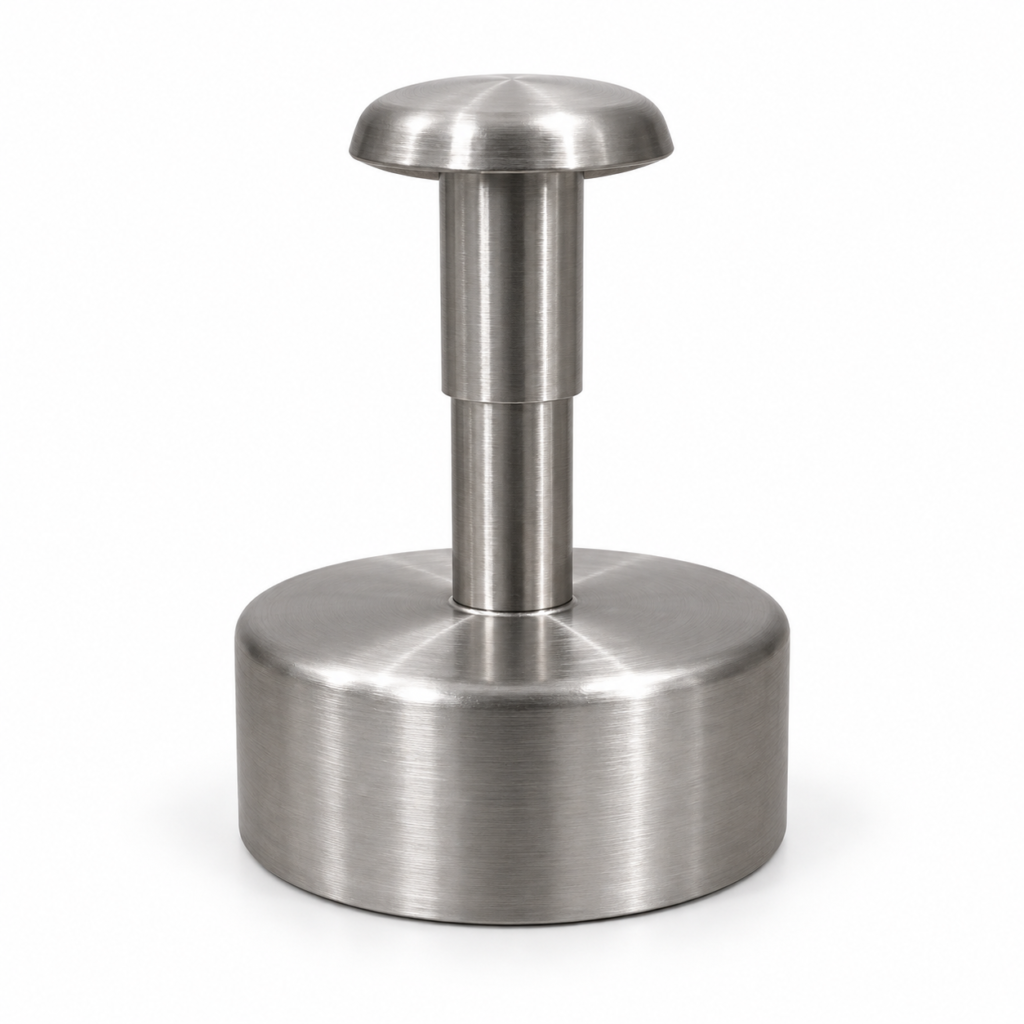
A raw patty that matches the bun exactly may not have the same fit after cooking. Shrinkage is a normal consideration in burger planning, but there is no single percentage that applies to every mixture and cooking method. A mould gives you a starting shape, not a guarantee of finished diameter.
Understand what changes during cooking
USDA explains that ground-beef patty shrinkage is affected by fat and moisture content, cooking temperature and cooking time. Overcooking draws out additional fat and juices. Those factors explain why switching meat or changing the cooking method can change the result even when the mould stays the same.
Do not use a cooking tip to justify an unsafe endpoint. The goal is a properly cooked burger with a sensible portion and fit, not the largest possible patty at the expense of safety.
Distinguish diameter from thickness
A patty can become narrower and thicker, or it can lose overall weight while changing shape in another way. Looking only at its top surface can hide those differences. Decide whether your real complaint is a small diameter, an overly thick centre or an amount of filling that does not suit the bun.
More meat in the same fixed mould may mainly increase thickness. It does not necessarily create the wider finished burger you wanted.
Run one useful comparison
- Choose the recipe, meat and cooking method you intend to repeat.
- Measure or note the bun size on a clean surface.
- Form one raw patty and record its weight and approximate dimensions using a food-safe arrangement.
- Cook it properly, checking the appropriate internal temperature with a thermometer.
- Compare the finished patty with a clean bun and record what you would change next time.
Do not place a cooked patty back onto the raw-meat measuring surface. Keep separate utensils or clean them appropriately before they contact ready-to-eat food.
Use the numbers as your own example
If your trial becomes smaller than the bun, you have information about that particular preparation. You do not yet have proof that every burger loses the same percentage. Repeat under similar conditions before treating the result as a reliable household reference.
A useful note includes the recipe, raw portion, mould used and cooking method. A photograph without those details makes the next comparison much less informative.
What the patty press can and cannot do
The HandyDost Burger Patty Press helps form a round starting shape. Its published listing does not provide an independently verified mould diameter or finished-cooking yield. Ask for a measurement when fit is important instead of estimating from a product photograph.
Do not force excess mixture above the mould or modify the tool to chase a bun size. Choose an appropriate portion and, if needed, a different forming method that suits the recipe.
Keep the cooking check objective
USDA specifies 160°F, or 71.1°C, for ground-beef mixtures. A burger’s brown exterior or the fact that it has stopped shrinking is not a substitute for the temperature check.
Read portioning with a scale, fragile-patty troubleshooting and measurements to request before buying. More guides are at HandyDost’s blog.
AI-assisted guide. The suggested trial is a method for your own notes, not a shrinkage test conducted by HandyDost.