
How to Peel Tomatoes Without Crushing Them
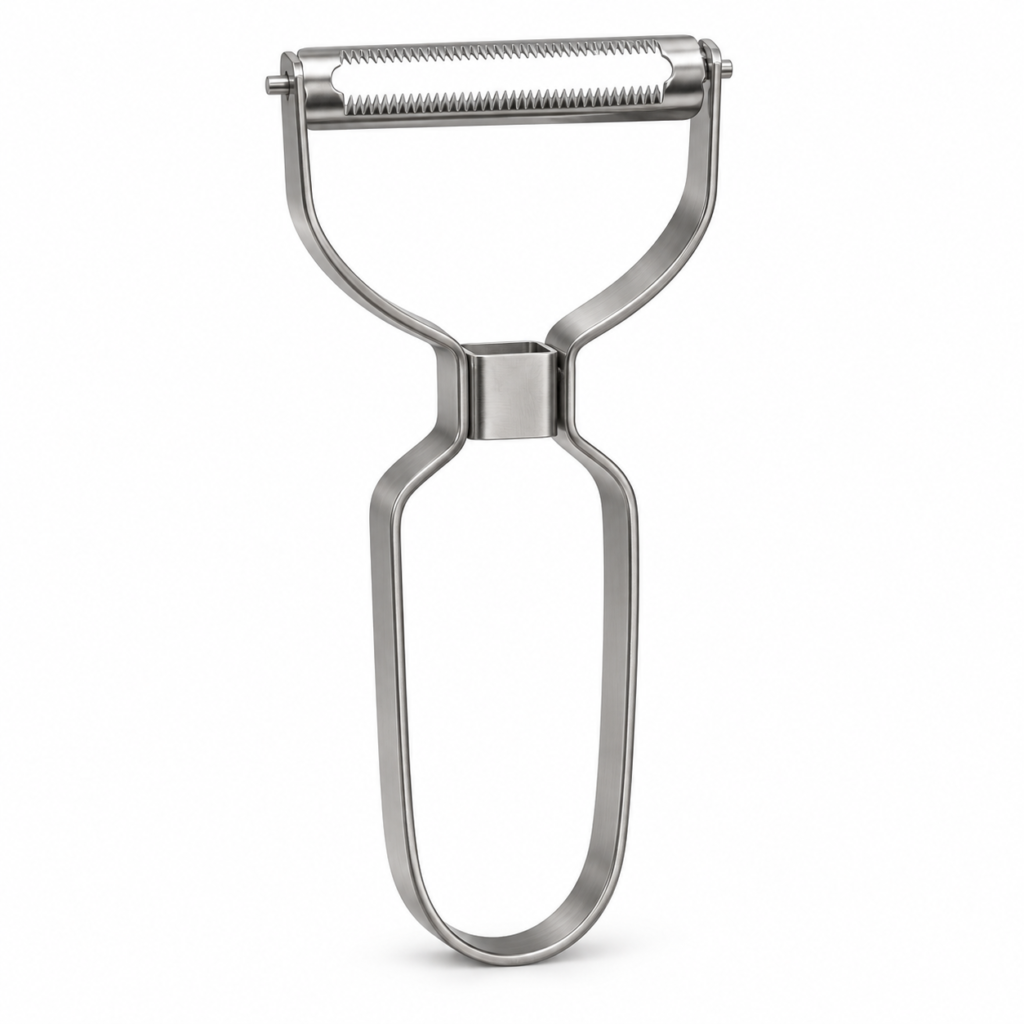
To peel a tomato without crushing it, start with a tomato that can be held securely and a tool intended for delicate skin. Use light, controlled strokes and rotate the tomato gradually. If the fruit is too soft to support, pressing harder with a peeler is the wrong solution.
Check whether peeling is necessary
Read the recipe before removing the skin. If the dish works with tomato skin left on, you may not need a peeler at all. For a preparation where the skin must be removed, choose the method that suits the tomato’s condition rather than forcing one tool to handle every stage of ripeness.
A tomato that is already collapsing under a gentle grip is not a good candidate for a firm hand-held peeling action. Use the alternative preparation method specified by your recipe, or choose a firmer tomato if that fits the dish.
Identify a suitable blade
Serrated peelers are commonly used for delicate-skinned produce. OXO’s peeler-set description identifies a serrated blade for softer produce, including tomatoes. This explains the tool category; it does not guarantee that every serrated product will give the same result.
The HandyDost peeler is listed with a serrated blade. Inspect the edge and its attachment before use. A loose blade or one carrying dried food is not ready for a careful peeling job.
Prepare a small, clear work area
Wash the tomato under running water and dry the surface enough to hold it comfortably. Put a clean board or plate below the work area to catch peel and juice. Keep the bowl for prepared tomatoes separate from the peel pile.
As the FDA’s produce guidance explains, washing is appropriate even when you plan to remove the outer skin. Do not use household soap on the tomato.
Work around the tomato gradually
- Support it securely without squeezing the soft flesh.
- Start on a section where you can keep fingers clear of the blade.
- Make a light, short stroke to remove a strip of skin.
- Rotate the tomato to expose the next section.
- Pause when the grip becomes awkward, especially near the ends.
Do not insist on one long strip of peel. Shorter strokes give you opportunities to stop and reposition. If the blade slides, check the angle and whether the skin is suitable for the tool rather than increasing pressure immediately.
Know when to change approach
If the flesh tears repeatedly, the tomato moves in your hand, or the blade catches unpredictably, stop. A suitable knife and board or the recipe’s own skin-removal method may be a better choice. Do not chase a tiny patch of skin by holding the cutting edge close to your fingertips.
Once peeled, transfer the tomato to the clean preparation area and continue with the recipe. Do not leave the peeler resting in the wet scraps, where the blade becomes harder to see and clean.
Clean the blade before the next ingredient
Rinse away residue and hand-wash the peeler as instructed. Use a soft cleaning brush around the cutting head; do not run a finger along the serrations. Dry it and store it safely.
For broader blade choices, see serrated versus straight versus julienne peelers. For a tool that keeps slipping or filling with peel, read the troubleshooting guide. More tutorials are in the HandyDost guide library.