
Kitchen Gadget Cost per Use: A Simple Reality Check Before Buying
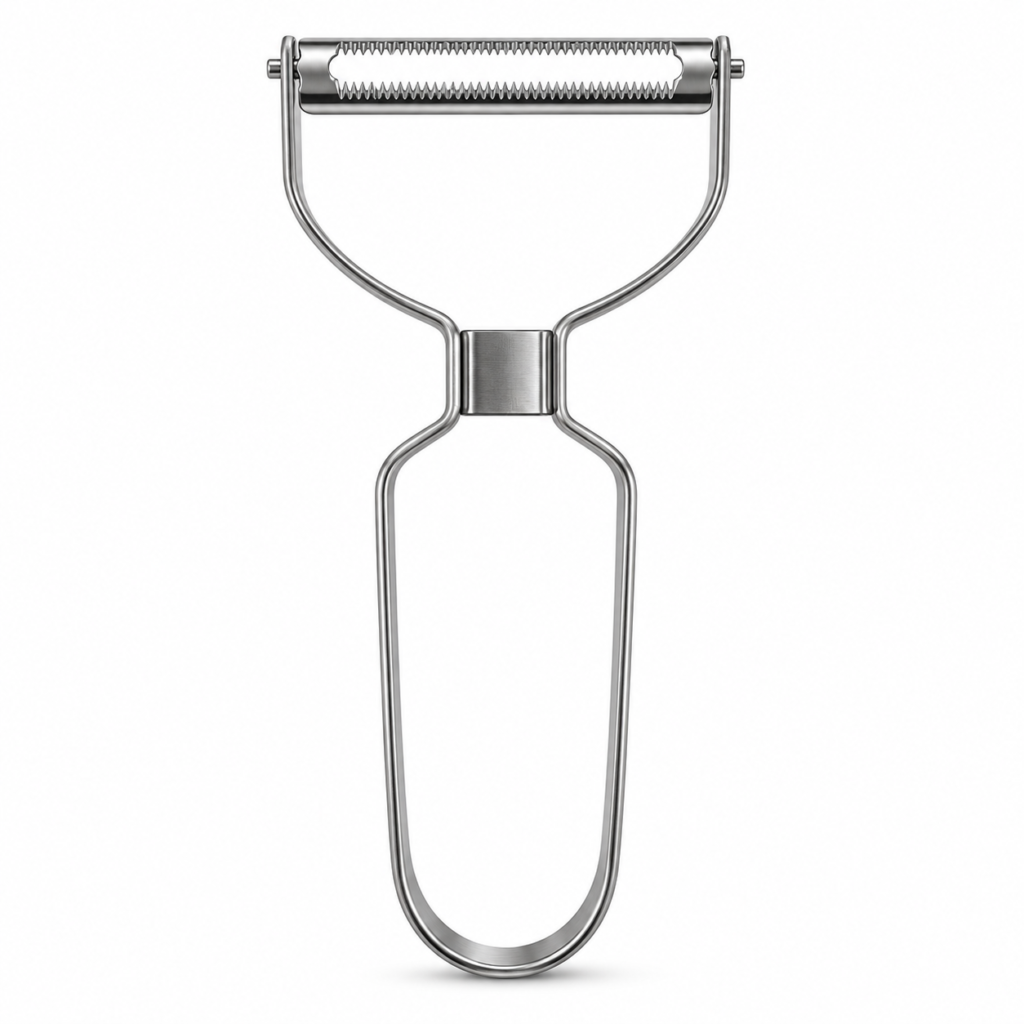
Cost per use can be a useful way to question a kitchen-gadget purchase, but only when you treat future use honestly. Dividing a price by hundreds of imaginary uses makes almost any product look inexpensive. Start with the routine you already have, not the routine an advertisement suggests you might adopt.
The basic calculation
Purchase cost divided by the number of actual uses gives a simple purchase-cost-per-use figure. If you include delivery or required accessories, state that clearly. The result does not automatically include electricity, water, cleaning effort or replacement parts.
Use this as a comparison exercise rather than an investment forecast. A low number does not prove that a product is necessary or better than a tool you already own.
An illustrative peeler example
The HandyDost Y-Peeler was listed at PKR 400 when checked on 2 October 2026. The table uses that item price only. It is not a prediction of how long the tool will last or how often you will use it.
| Assumed number of uses | Arithmetic | Item-price component per use |
|---|---|---|
| 10 | 400 ÷ 10 | PKR 40 |
| 50 | 400 ÷ 50 | PKR 8 |
| 100 | 400 ÷ 100 | PKR 4 |
The calculation shows how strongly the assumed use count affects the answer. It does not establish a hundred-use durability rating, a warranty or a guaranteed saving.
Count the task before buying
Look at the last week or two of your own cooking. How often did you peel vegetables, slice boiled eggs or froth milk? Which of those jobs was genuinely awkward with your existing equipment?
A specialist tool can make sense for a repeated task. For an occasional task, an existing knife, spoon or whisk may already be the more practical choice. Do not turn a cost-per-use exercise into pressure to buy everything with a small price tag.
Include the work after use
Write down how the item will be washed, dried and stored. A tool that saves a preparation step but is inconvenient for you to clean may remain unused. Delicate wires, detachable heads and small covers also need a place where they will not be lost or damaged.
The two-attachment Coffee Beater has a different care routine from a manual peeler. Comparing only their purchase prices misses the different jobs and handling needs.
Do not turn convenience into a false cash saving
Time you save at home is not automatically money earned. Nor should you compare a homemade drink’s tool cost alone with a cafe drink while leaving out ingredients, preparation and your actual preferences.
Use a simple scorecard instead: repeated need, comfortable handling, easy care, safe storage and an acceptable delivered total. A purchase that fits those checks can be worthwhile without a dramatic savings claim.
Review actual use later
After owning a tool for a while, compare your actual use with the assumption you made. That information can improve the next buying decision. It should not encourage using a damaged item just to reach a target number.
Read a budget-selection example, sets versus single tools and delivered-cost checks. More guides are at HandyDost’s blog.
AI-assisted buying framework. All future use counts are hypothetical, not tested product-life estimates.