
Hot Chocolate with a Milk Frother: Deal with Cocoa Lumps Before You Froth
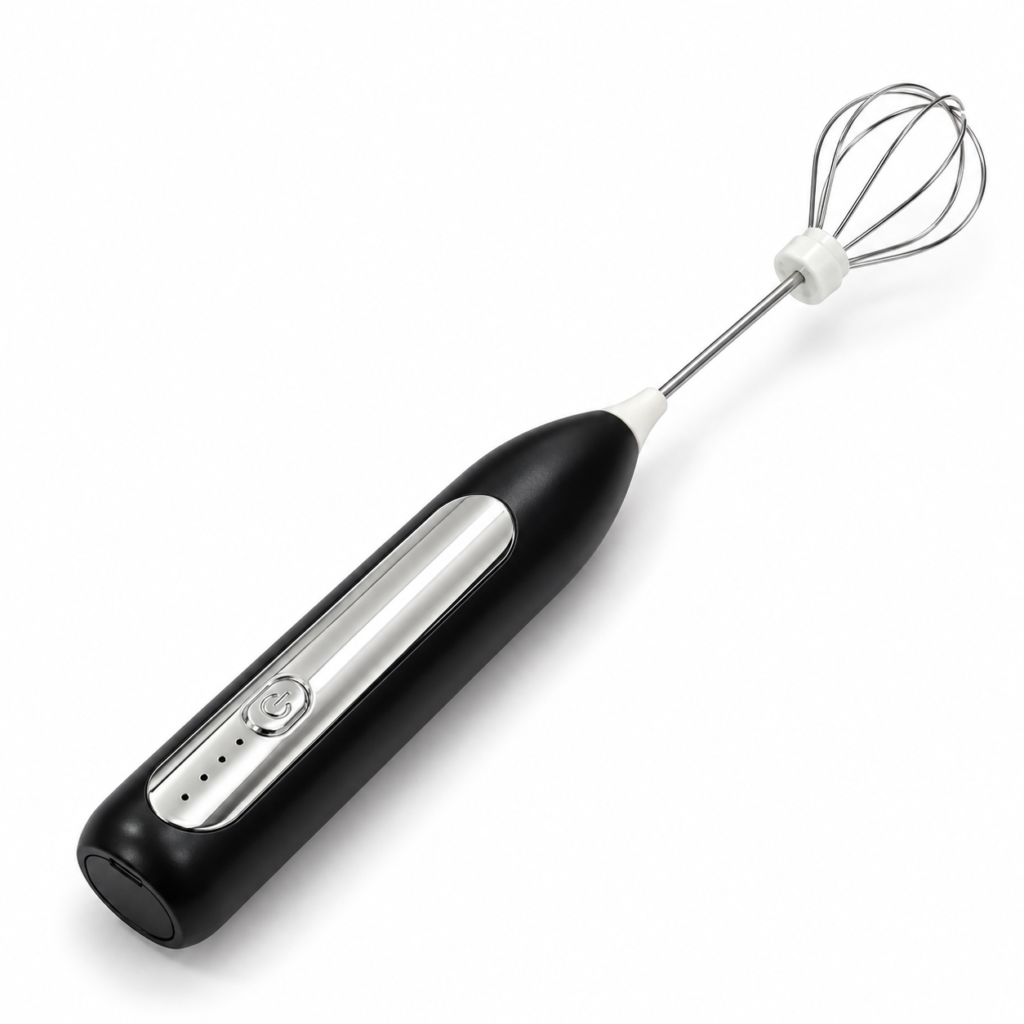
A milk frother is better used as a finishing tool for hot chocolate than as a rescue device for a mug full of dry cocoa lumps. Prepare the cocoa mixture properly first, heat it using suitable equipment, and decide whether you actually want a foamy finish.
This guide concerns a handheld wand, not a heated chocolate maker. The HandyDost Coffee Beater & Milk Frother does not have a stated heating function or permission to operate in a saucepan over a flame.
Separate cocoa preparation from aeration
Dry cocoa sitting on the surface is a different problem from insufficient foam. Before reaching for a motor, use a spoon or whisk to combine the dry ingredients with a small portion of the liquid in your chosen recipe. Work out the dry pockets, then gradually incorporate the remaining liquid.
Hershey’s hot-cocoa method illustrates this staged approach: cocoa is combined with a water-based mixture before milk is added, and the finished drink is whisked after removal from the heat. Use the original recipe for its quantities and cooking instructions; this article is about organising the equipment and avoiding mixing mistakes.
Pick the right kind of chocolate ingredient
Check whether your packet contains unsweetened cocoa, a sweetened instant drink mix or a preparation containing milk powder. They are not measured interchangeably. Some mixes already include sugar; adding your usual sweetener without reading the packet can produce a drink far sweeter than intended.
A bar of chocolate also needs a suitable melting method. Do not place chunks against a spinning handheld coil and expect it to act like a blade. Prepare any melted-chocolate base according to a recipe before light mixing.
A practical two-vessel workflow
- Read the recipe and the drink-mix instructions. Set out a spoon, the heating vessel and a stable serving vessel.
- Prepare the cocoa base and heat the drink separately, staying within the heating equipment’s instructions.
- Remove it from the heat. Do not operate an electrical handheld tool beside an exposed flame or over active cookware.
- Use a manual whisk if the drink is too hot for the handheld tool’s stated operating limits. Where suitable, transfer a small portion to a stable vessel with generous headroom.
- Keep the motor dry, place the attachment into the liquid before starting and stop it before lifting.
There is no benefit in filling the vessel right to the lip. A drink that needs topping space also needs mixing space.
When the texture is wrong
If you find dry centres inside lumps, go back to the base preparation rather than repeatedly frothing the whole mug. If the drink becomes mostly bubbles, stop aerating and let the foam settle before judging its thickness. If the mixture is deliberately thickened into a dessert-style chocolate, choose a suitable manual whisk or mixer instead of forcing a small beater through it.
Do not use the handheld tool to chop toppings, crush biscuits or stir ice into a chilled version. Add those separately after mixing.
End with an easy cleanup
Switch off and disconnect before removing the head. Wash permitted detachable parts and wipe the motor handle without immersion. Chocolate residue is easier to notice on a clean attachment than on one stored with yesterday’s milk film.
For related methods, see instant coffee preparation, attachment cleaning and why a frother is not a blender. Browse all HandyDost guides.
AI-assisted editorial guidance; follow your own appliance and ingredient instructions.